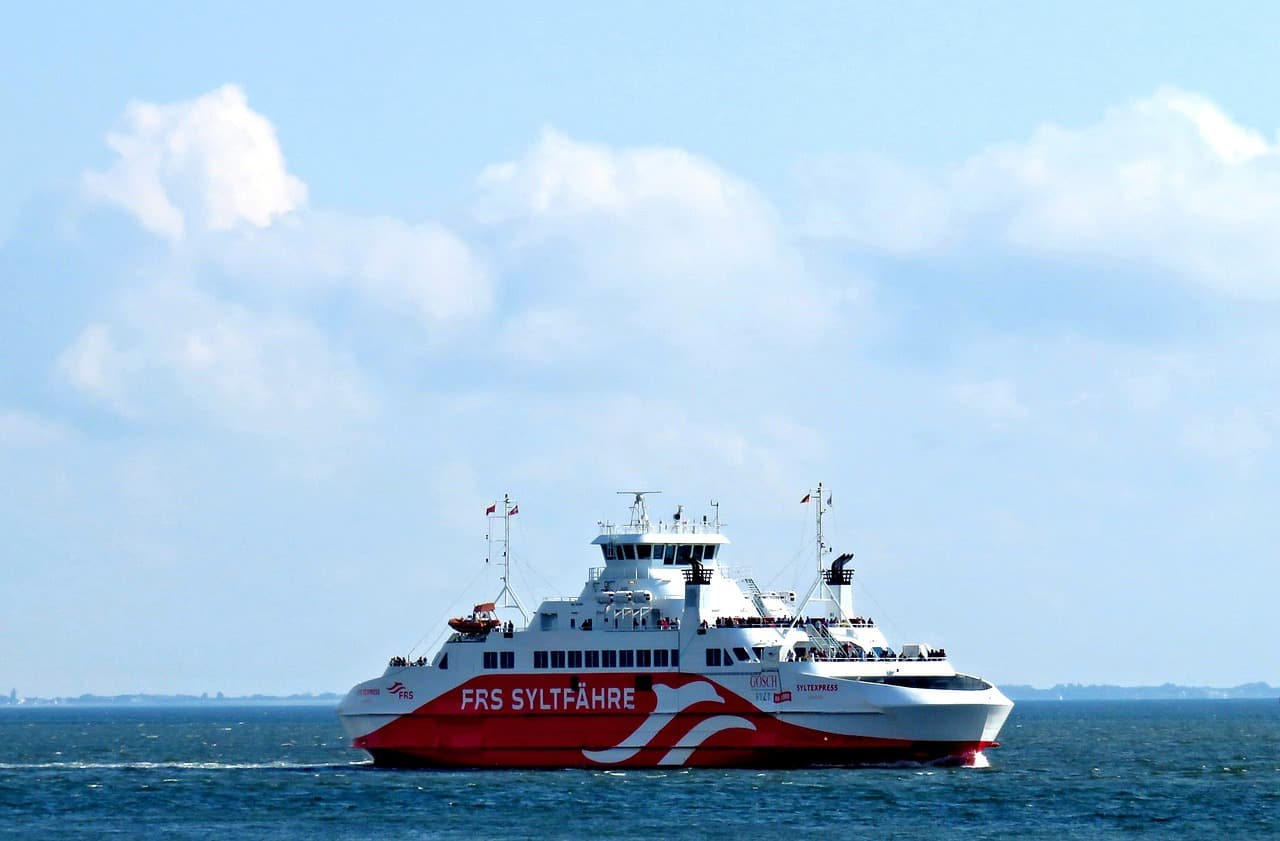
Understanding the Design and Function of Car Ferries
Car ferries are a vital part of maritime transport, connecting islands and coastal areas where bridges are not feasible. These vessels are specifically designed to carry vehicles, passengers, and sometimes cargo across bodies of water. In this article, we delve into the intricacies of car ferry design and their operational functions, providing a comprehensive understanding of these maritime workhorses.
Shop Boat Docking & Anchoring Equipment Now
Key Design Features of Car Ferries
1. Hull Design
- Monohull: Traditional design, known for stability and speed.
- Multihull (Catamaran): Offers greater stability in rough waters, typically used in shorter routes.
2. Loading Ramps
- Bow and Stern Ramps: Allow for easy drive-on/drive-off capability, facilitating quick loading and unloading.
- Side Ramps: Used in conjunction with bow and stern options for efficient space utilization.
3. Vehicle Decks
- Adjustable Decks: Some ferries feature decks that can be adjusted for height to accommodate different vehicle types.
- Securing Mechanisms: Includes tie-downs and rails to ensure vehicle stability during transit.
Shop Boat Trailer Parts & Accessories Now
4. Passenger Areas
- Seating Arrangements: Comfortable seating areas for passengers.
- Amenities: Facilities such as restrooms, cafeterias, and viewing decks.
5. Safety Features
- Lifeboats and Rafts: Adequately equipped for passenger evacuation in emergencies.
- Fire Safety Systems: Advanced systems including smoke detectors and fire extinguishers.
Operational Functions of Car Ferries
1. Navigation
- Bridge Equipment: Includes radar, GPS, and communication devices to ensure safe navigation.
- Crew Expertise: Skilled personnel crucial for operations, especially in challenging weather conditions.
2. Propulsion and Power
- Engines: Range from diesel to hybrid systems, affecting speed and fuel efficiency.
- Maneuverability: Thrusters and stabilizers aid in docking and undocking procedures.
3. Route Management
- Scheduled Services: Timetables are crucial for commuter and commercial services.
- Emergency Routes: Alternative planning for unexpected situations or bad weather.
4. Maintenance
- Regular Checks: Essential for safety and efficiency, including hull inspections and engine tests.
- Dry Docking: Periodic removal from service for comprehensive maintenance tasks.
Real-World Examples
- Stena Line: Operates various routes in Europe with a fleet that includes both traditional monohulls and high-speed catamarans.
- Washington State Ferries: One of the largest in the U.S., it features a fleet primarily composed of large, multi-deck ferries designed for heavy vehicle and passenger loads.
Conclusion
Car ferries are complex vessels designed with a focus on safety, efficiency, and passenger comfort. Understanding these aspects helps in appreciating the engineering marvels that these ferries are and the critical role they play in modern transportation networks.
Whether you're a maritime enthusiast, a professional in the field, or a curious traveler, recognizing the intricate design and operational functions of car ferries enhances your knowledge and appreciation of this mode of transport.
For more detailed inquiries or specific questions about car ferries, connect with a human expert or chat with Mavyn GPT at Mavyn, where AI and human expertise blend to provide comprehensive answers and insights.