Essential Fat Bike Riding Tips for Beginners
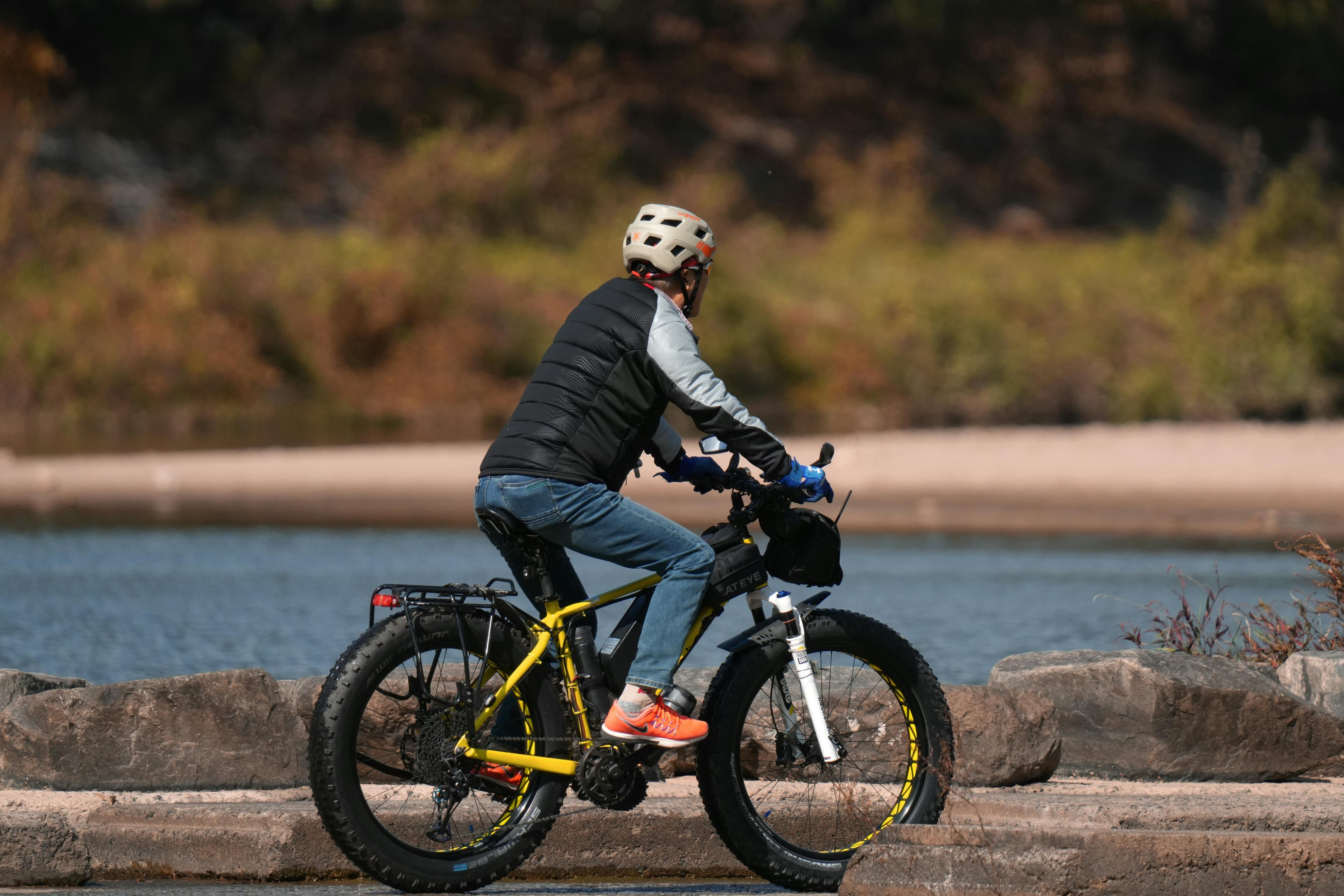
Fat biking, a thrilling and increasingly popular form of cycling, is distinguished by its wide tires designed to traverse soft, unstable terrains like snow, sand, and mud. If you're new to fat biking, mastering a few basic tips can significantly enhance your riding experience. Here’s a comprehensive guide to get you started on your fat bike adventures.
1. Choose the Right Fat Bike
Before diving into the world of fat biking, selecting the right bike is crucial. Consider the following features:
- Tire Width: Typically, fat bike tires range from 3.8 inches to 5 inches. Wider tires provide more flotation on soft surfaces.
- Frame Material: Options include aluminum, steel, and carbon fiber. Each material offers different benefits in terms of weight, durability, and cost.
- Suspension: Decide between a rigid or suspension fork. Suspension forks offer comfort and control on rougher trails, while rigid forks are lighter and simpler.
2. Tire Pressure is Key
Tire pressure can dramatically affect your ride. Lower pressures allow your tires to conform to uneven surfaces, providing better traction and stability. Here’s a quick guide:
- Snow: 3-5 psi
- Sand: 4-6 psi
- Trail: 6-8 psi
Experiment with different pressures to find what works best for the terrain you are riding on.
3. Adjust Your Riding Style
Fat biking requires some adjustments to your riding style:
- Gear Down: Use lower gears to maintain a steady cadence, helping you navigate through challenging terrains without exhausting yourself.
- Stay Seated: Remaining seated more often helps maintain traction, especially on slippery surfaces.
- Controlled Braking: Apply brakes gently. Sudden braking can cause skidding, particularly on loose surfaces.
4. Dress Appropriately
The right clothing can make or break your fat biking experience, especially in extreme weather conditions. Layer up with moisture-wicking materials and consider the following:
- Insulation: Use insulated, breathable clothing for cold weather rides.
- Protection: Waterproof and windproof layers help shield against the elements.
- Visibility: Wear bright colors or reflective gear to ensure you are visible to others.
5. Regular Maintenance is Crucial
Maintaining your fat bike ensures a safe and smooth ride. Key maintenance tips include:
- Clean Your Bike: Regularly clean your bike, especially after riding in mud, sand, or salt environments.
- Check Tire Pressure: Before each ride, check your tire pressure as it can fluctuate with temperature changes.
- Lubricate the Chain: Keep your chain lubricated to prevent rust and ensure smooth gear shifts.
6. Practice Makes Perfect
Like any sport, improving your fat biking skills comes with practice. Spend time on different terrains to understand how your bike handles under various conditions. Additionally, consider joining a local fat bike group or participating in events to learn from more experienced riders.
Conclusion
Fat biking is an exciting way to explore diverse landscapes while keeping fit. By choosing the right equipment, adjusting your riding technique, and maintaining your bike, you can enjoy countless adventures on your fat bike. Remember, every ride is a learning experience, so keep exploring and refining your skills.
For more personalized advice or specific questions about fat biking, chat with Mavyn GPT or connect with one of our human experts at Mavyn. We’re here to help enhance your outdoor experiences with tailored, expert advice.