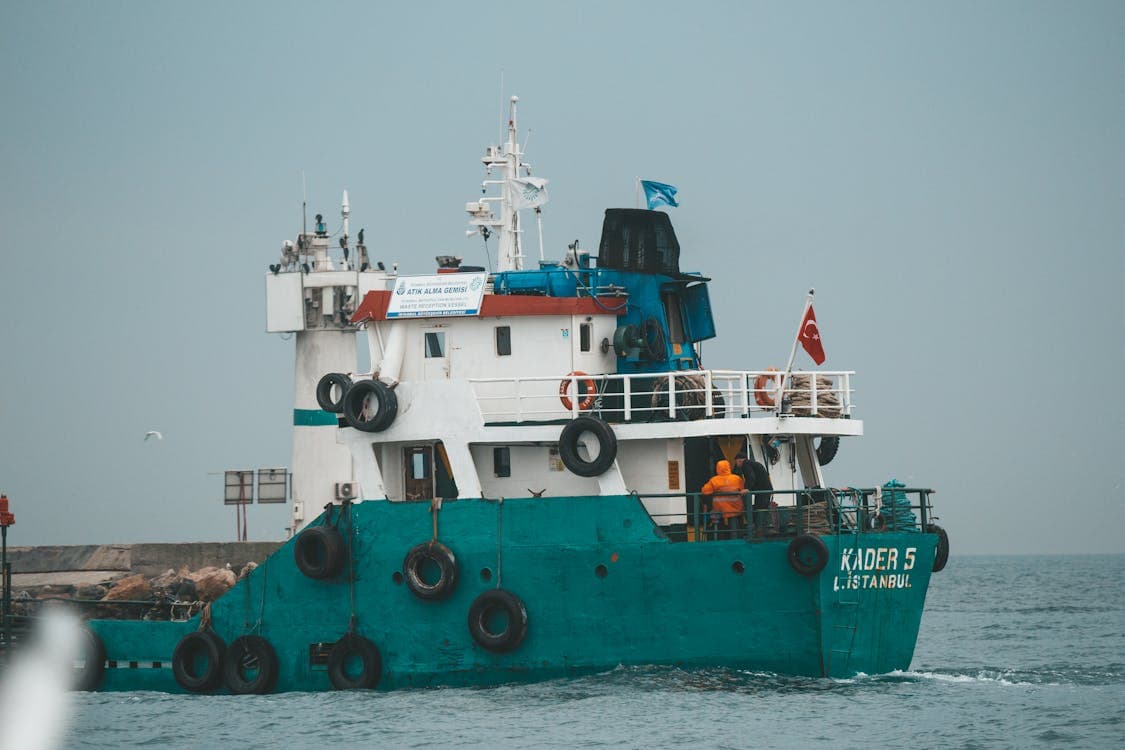
The Role of Satellites in Maritime Surveillance and Safety
Maritime surveillance and safety are critical components of the global shipping industry, which relies heavily on the vast and often unmonitored open seas. With the advent of satellite technology, the ability to oversee these expansive areas has dramatically improved, enhancing not only navigation but also security and environmental monitoring. In this article, we'll delve into how satellites contribute to maritime surveillance and safety, and how services like Mavyn can assist users in understanding and leveraging this technology.
1. Satellite-Aided Navigation
Navigating the vast oceans has always been fraught with challenges. Satellite technology, specifically GPS (Global Positioning System), has revolutionized maritime navigation through high precision location tracking.
Examples:
- Global Positioning System (GPS): Ships use GPS for real-time positioning, ensuring they stay on course and avoid hazards.
- Automatic Identification System (AIS): Satellites track AIS signals to monitor ship movements and manage traffic in busy sea lanes.
2. Enhanced Maritime Safety
Satellites play a pivotal role in enhancing the safety of maritime operations by providing critical data for weather forecasting and emergency response.
Examples:
- Weather Forecasting: Satellites monitor meteorological conditions, providing data for forecasting storms and hurricanes that could impact maritime routes.
- Search and Rescue: In emergencies, satellite systems can pinpoint the location of distressed vessels, facilitating quicker response times.
3. Environmental Monitoring
With increasing concerns over marine environmental health, satellites offer a means to monitor and address ecological issues like oil spills and illegal fishing.
Examples:
- Oil Spill Detection: Satellite imagery can detect oil spills, even under clouds or in harsh weather, allowing for timely containment and cleanup.
- Illegal Fishing Detection: Satellites monitor marine protected areas to spot illegal fishing activities, helping to enforce regulations and protect marine life.
4. Security and Surveillance
The strategic use of satellite imagery and data helps in maintaining security by monitoring suspicious activities and enforcing maritime law.
Examples:
- Piracy Monitoring: High-resolution satellite images can identify and track pirate vessels, helping to prevent attacks.
- Port Security: Satellites assist in overseeing activities around ports, enhancing the security of cargo and personnel.
5. Integration with AI and Human Expertise
While satellites provide vast amounts of data, the integration of AI helps in analyzing this data efficiently. Mavyn offers a unique platform where users can interact with Mavyn GPT or connect with human experts to get deeper insights into satellite data interpretation and application in maritime surveillance.
How Mavyn Helps:
- Mavyn GPT: Users can chat with Mavyn GPT to quickly obtain information or solve queries related to satellite technology in maritime applications.
- Human Experts: For more complex inquiries, users can connect with experts in the field through Mavyn, ensuring they receive tailored and knowledgeable advice.
Satellite technology continues to be a cornerstone in advancing maritime surveillance and safety. By providing critical data and connectivity, satellites help in navigating safely, responding to emergencies more effectively, and protecting our marine environments. Whether you are a professional in the maritime industry or simply interested in the technological aspects, understanding the role of satellites is essential.
For further information or specific queries, consider using Mavyn’s AI and human expert services to enhance your understanding and application of satellite technology in maritime surveillance.