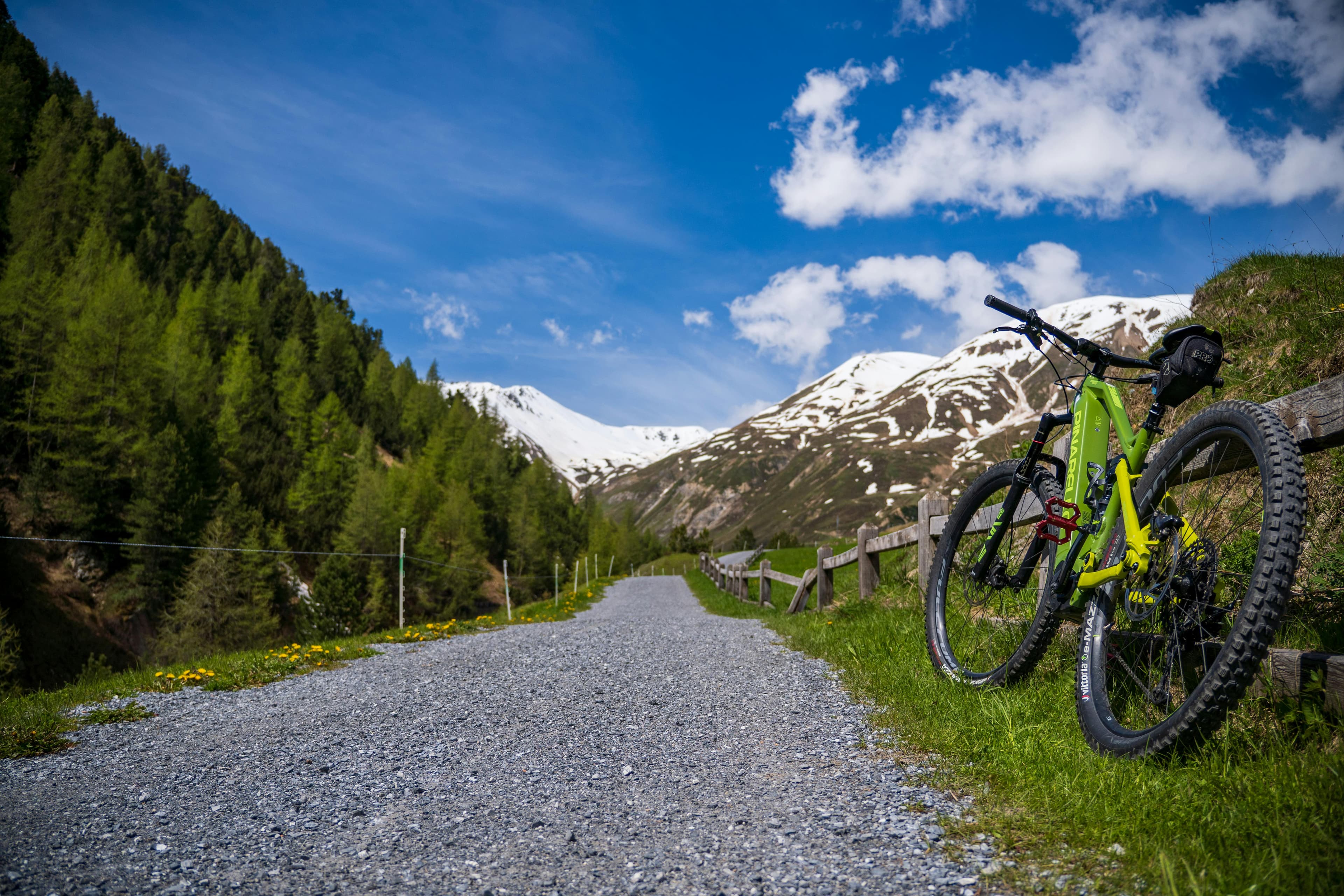
Adjusting Suspension for Better Trail Performance
Whether you're a mountain biking enthusiast or a casual trail rider, understanding how to properly adjust your bike's suspension can significantly enhance your riding experience. Suspension systems are crucial for maintaining traction, comfort, and control on uneven terrain. In this article, we'll guide you through the basics of suspension adjustment to improve your trail performance.
Understanding Suspension Components
Before diving into adjustments, it's important to understand the key components of your bike's suspension system:
- Fork: The front part of the suspension that helps absorb impacts from the front wheel.
- Shock: The rear part of the suspension that absorbs impacts from the rear wheel.
- Spring Rate: Determines how much force is needed to compress the suspension.
- Damping: Controls the speed at which the suspension compresses and rebounds.
Steps to Adjust Your Suspension
1. Set Your Sag
Sag is the amount your suspension compresses under your weight when you're sitting on the bike. Proper sag ensures that the suspension is neither too soft nor too hard, providing a balanced ride.
- How to Adjust:
- Sit on your bike in your normal riding position.
- Measure the distance the fork and shock compress. This is your sag.
- Adjust the spring tension until the sag is about 25-30% of the total suspension travel.
2. Adjust the Damping
Damping controls how quickly the suspension reacts to impacts. Adjusting the damping can help you fine-tune how the bike handles different trail conditions.
- Rebound Damping:
- Slower rebound helps with control on rough trails.
- Faster rebound is better for smoother trails.
- Compression Damping:
- Increase compression damping to prevent the suspension from bottoming out on big hits.
- Decrease compression damping for a softer ride on less aggressive trails.
3. Test and Fine-Tune
After making initial adjustments, it's crucial to test your settings on the trail. Pay attention to how the bike feels and make further adjustments if necessary.
- What to Look For:
- Does the bike feel stable at high speeds?
- Is the ride too harsh or too bouncy?
- Are you using the full range of suspension travel?
Tips for Maintaining Your Suspension
- Regular Maintenance: Clean and inspect your suspension regularly to ensure optimal performance.
- Professional Help: If you're unsure about making adjustments, consult a professional mechanic.
- Upgrade Options: Consider upgrading your suspension components for better performance and durability.
Conclusion
Adjusting your bike's suspension can seem daunting at first, but with practice, it becomes an essential skill for any trail rider. By following these steps and understanding how your suspension works, you'll be able to tailor your bike to your riding style and the trails you love.
For further assistance, remember that Mavyn offers both AI and human expert help services. Whether you want to chat with Mavyn GPT or connect with a human expert, we're here to help answer your questions and get you back on the trail with confidence.