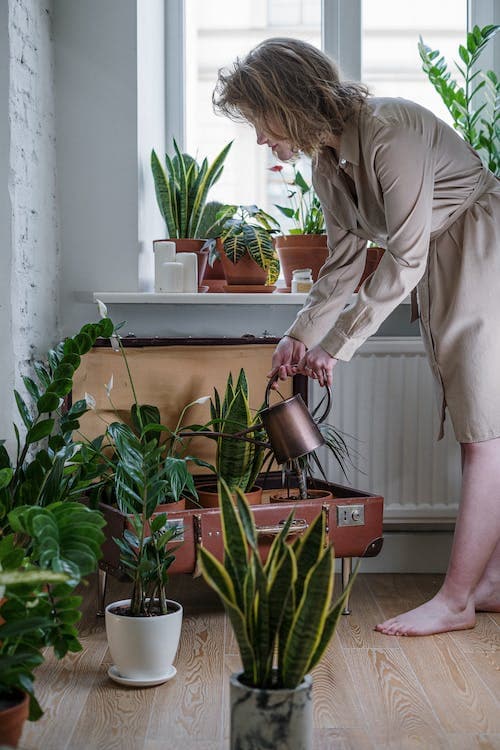
Eco-Friendly Indoor Gardening: Sustainable Practices for the Modern Gardener
Indoor gardening has surged in popularity, offering a slice of nature within our homes. However, as we bring the outdoors in, it's crucial to consider the environmental impact of our green endeavors. Eco-friendly indoor gardening focuses on minimizing waste, using sustainable resources, and reducing the use of chemicals. Here are some sustainable practices to make your indoor garden both beautiful and environmentally friendly.
1. Choose Eco-Friendly Pots
Biodegradable Pots: Opt for pots made from biodegradable materials like bamboo, rice hulls, or cow manure. These pots can be planted directly into the soil, reducing plastic use and waste.
Recycled Containers: Get creative and repurpose containers like old mugs, jars, or cans. Ensure they have proper drainage by drilling holes in the bottom.
2. Use Organic Soil and Fertilizers
Organic Soil: Start with organic potting mix, which is free from synthetic chemicals and peat moss. Peat moss harvesting can damage peat bogs, an important ecosystem for carbon storage.
Composting: Create your own compost from kitchen scraps. This not only reduces waste but also provides nutrient-rich soil for your plants.
Organic Fertilizers: Choose organic fertilizers over chemical ones. Organic options release nutrients slowly, are better for the soil, and reduce the risk of over-fertilization.
3. Conserve Water
Water Wisely: Overwatering is a common mistake. Use a water meter or your finger to check soil moisture. Water only when necessary to conserve water and prevent root rot.
Collect Rainwater: If possible, collect rainwater to water your plants. This reduces the demand on municipal water and provides your plants with natural, soft water.
Self-Watering Systems: Consider using self-watering pots or DIY self-watering systems. These systems can reduce water usage and ensure your plants get just the amount they need.
4. Choose Low-Light and Air-Purifying Plants
Low-Light Plants: Opt for plants that thrive in low-light conditions to reduce the need for artificial lighting. Snake plants, pothos, and peace lilies are great options.
Air-Purifying Plants: Many indoor plants, like spider plants and Boston ferns, are known for their air-purifying abilities. They can help remove toxins from the air, improving indoor air quality.
5. Practice Natural Pest Control
Preventive Measures: Keep your garden clean and inspect new plants for pests before introducing them to your space. Healthy plants are less likely to succumb to pests.
Natural Remedies: If pests do appear, use natural remedies like neem oil, diatomaceous earth, or a soap and water spray. These options are safer for you, your plants, and the environment.
6. Use LED Grow Lights
If your space lacks natural light, consider using LED grow lights. They are more energy-efficient than traditional grow lights and can significantly reduce your carbon footprint.
Shop Plant Indoor Pesticide Now
Conclusion
Eco-friendly indoor gardening is about making conscious choices that benefit both your plants and the planet. By adopting sustainable practices, you can create a thriving indoor garden that aligns with your environmental values. Remember, every small step towards sustainability makes a difference. Happy gardening!