DIY Composting Made Simple
Composting is a fantastic way to reduce waste and enrich your garden soil. It's a process that transforms organic waste into nutrient-rich compost, which can significantly benefit your plants. Whether you're a seasoned gardener or just starting, this guide will help you set up a simple and effective composting system at home.
What is Composting?
Composting is the natural process of recycling decomposed organic materials into a rich soil amendment known as compost. Anything that was once living will decompose. By composting your organic waste, you are returning nutrients back into the soil in a usable form. Organic material such as leaves, grass clippings, vegetable scraps, and coffee grounds provide an excellent nutrient-rich soil amendment that can help improve your soil's health.
Benefits of Composting
- Reduces landfill waste: Composting organic materials at home means less trash going to the landfill.
- Enriches soil: Compost adds essential nutrients back into the soil, aiding plant growth.
- Saves money: Less need to buy commercial soil conditioners and fertilizers.
- Eco-friendly: Reduces your carbon footprint by lowering methane emissions from landfills.
Setting Up Your Compost Bin
Choosing a Location
- Shade vs. Sun: A shaded area can prevent the compost from drying out too quickly, while a sunny spot can help speed up the composting process.
- Convenience: Place it near your kitchen or garden for easy access to add materials and use the compost.
Types of Bins
- Open Bins: Made from materials like wood or wire mesh. Great for large volumes.
- Closed Bins: Commercially available tumblers or bins. These are more pest-proof and can retain heat and moisture better.
Size
- Generally, a 3-foot square is a good size for a compost bin, but you can adjust based on the space available and the amount of organic waste your household produces.
What to Compost
Greens (Nitrogen-rich materials)
- Vegetable and fruit scraps
- Coffee grounds and filters
- Fresh grass clippings
- Plant trimmings
Browns (Carbon-rich materials)
- Dry leaves
- Straw and hay
- Shredded newspaper
- Wood chips or sawdust
Do Not Compost
- Meat, bones, and fish scraps
- Dairy products
- Fats, oils, and greasy foods
- Diseased plants
Steps to Composting
- Layer your materials: Start with a layer of browns, then add a layer of greens. Repeat the layers until the bin is filled.
- Maintain moisture: Your compost should be moist like a wrung-out sponge. Add water if it feels too dry.
- Turn the pile: Every few weeks, turn your pile with a shovel or pitchfork to aerate it, which helps speed up the composting process.
- Monitor the temperature: A compost pile that's working well will get hot in the middle. This is normal and helps to break down the material faster.
Using Your Compost
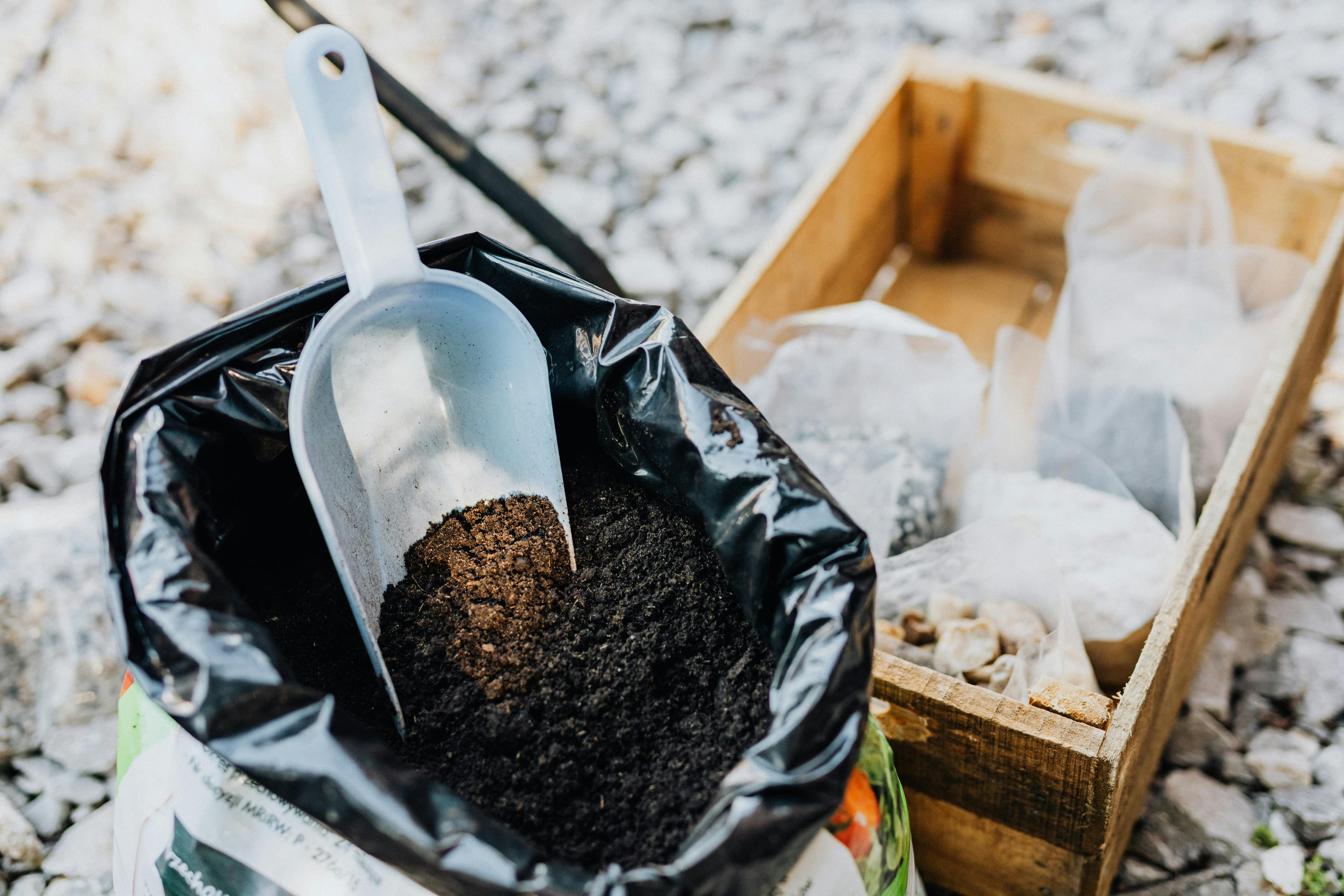
Once your compost looks dark and crumbly and has a pleasant earthy smell, it's ready to use. You can add it to your garden beds, mix it into potting soil, or use it as mulch.
Conclusion
DIY composting is a rewarding practice that benefits both your garden and the environment. By following these simple steps, you can efficiently recycle kitchen scraps and yard waste into valuable compost to boost your garden's health and productivity.
For more detailed guidance or specific questions, you can chat with Mavyn GPT or connect with a human expert at Mavyn who can provide personalized advice tailored to your composting needs.