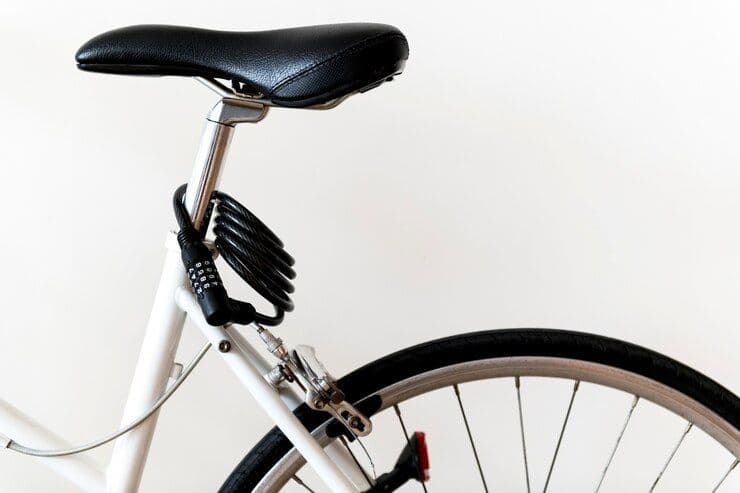
Easy DIY Bicycle Flat Tire Repair Guide
Flat tires are an inevitable part of cycling, but they don't have to ruin your ride. With a few tools and some know-how, you can fix a flat tire yourself and get back to enjoying your ride. This guide will walk you through the steps of fixing a flat tire on your bicycle, ensuring you're prepared for this common issue.
What You'll Need
Before you start, make sure you have the following tools and materials:
- A new inner tube or a patch kit
- Tire levers
- A bicycle pump or CO2 inflator
- A wrench (if your bike has bolt-on wheels)
- A bucket of water (optional, for locating punctures)
Step 1: Remove the Wheel
First, if you have a quick-release lever, open it to remove the wheel. If your bike has bolt-on wheels, use a wrench to loosen the bolts. For rear wheels, you may need to lift the chain off the gears to free the wheel.
Step 2: Remove the Tire and Inner Tube
Insert the flat end of a tire lever under the tire's edge and pry it up over the rim. Slide the lever around the rim to free one side of the tire. Remove the inner tube from the tire. If you're using a new tube, you can skip to Step 4.
Step 3: Locate and Fix the Puncture
Inflate the punctured tube to make the hole easier to find. Listen for escaping air or pass the tube close to your face to feel for air. If you can't find the hole, submerge the tube in water and look for bubbles. Once found, dry the area, roughen it with sandpaper, apply glue from the patch kit, and press the patch firmly onto the tube.
Step 4: Check the Tire
Before inserting the new or repaired tube, inspect the inside of the tire for any objects that might have caused the puncture, like thorns or glass. Remove any debris to prevent another flat.
Step 5: Insert the Tube and Tire
Partially inflate the new or repaired tube to give it shape. Insert it into the tire and tuck the tire's edges back onto the rim, starting opposite the valve. Be careful not to pinch the tube. Use your hands or tire levers if necessary.
Step 6: Inflate the Tire
Once the tire is back on the rim, inflate it to the recommended pressure, which is usually indicated on the tire's sidewall. Make sure the tire is seated evenly on the rim.
Step 7: Reattach the Wheel
Place the wheel back in the frame, ensuring it's properly aligned. If you have a quick-release lever, close it firmly. For bolt-on wheels, tighten the bolts securely.
Conclusion
Fixing a flat tire is a valuable skill for any cyclist. With practice, you'll be able to handle flats quickly and confidently, ensuring they're just a minor interruption to your rides. Remember to always carry a spare tube, patch kit, and inflation tool when you're out cycling to be prepared for any situation. Happy cycling!