DIY Plant Care Guide: How to Grow and Maintain a Lush Indoor Jungle
Transforming your living space into a lush, indoor jungle is not only aesthetically pleasing, but it also improves air quality and creates a calming atmosphere. However, taking care of multiple plants can be a daunting task, especially for beginners. This guide will help you understand the basics of indoor plant care and provide you with the knowledge to cultivate a thriving green oasis in your home.
1. Choose the Right Plants
The first step in creating an indoor jungle is selecting the right plants. Consider your home's lighting conditions, humidity levels, and temperature fluctuations when making your choice. Some plants, like snake plants and ZZ plants, are low-maintenance and adapt well to various conditions, making them ideal for beginners.
2. Provide Proper Lighting
Light is essential for plant growth. Determine the light requirements of your plants and place them accordingly. Most indoor plants thrive in bright, indirect light. However, some may require direct sunlight, while others can survive in low-light conditions. South and east-facing windows usually provide the best light for indoor plants.
3. Water Wisely
Overwatering is a common mistake among plant enthusiasts. It's essential to understand the specific water requirements of each plant. Generally, you should water your plants when the top inch of soil feels dry to the touch. Remember that plants in smaller pots and those exposed to more sunlight will need more frequent watering.
4. Maintain Humidity Levels
Indoor environments can be dry, which may not be suitable for some tropical plants. To increase humidity, you can mist your plants, use a humidifier, or place a tray of water near your plants. Grouping plants together also creates a more humid microclimate, as they release moisture through a process called transpiration.
Shop Plant Watering Globes Now)
5. Fertilize Regularly
Indoor plants require nutrients to grow and thrive. Use a balanced, water-soluble fertilizer to feed your plants every 4-6 weeks during the growing season (spring and summer). Reduce fertilization during the fall and winter months, as most plants enter a dormant phase.
6. Prune and Clean
Regularly remove dead leaves and spent flowers to encourage new growth and maintain your plants' health. Additionally, wipe the leaves of your plants with a damp cloth to remove dust and support efficient photosynthesis.
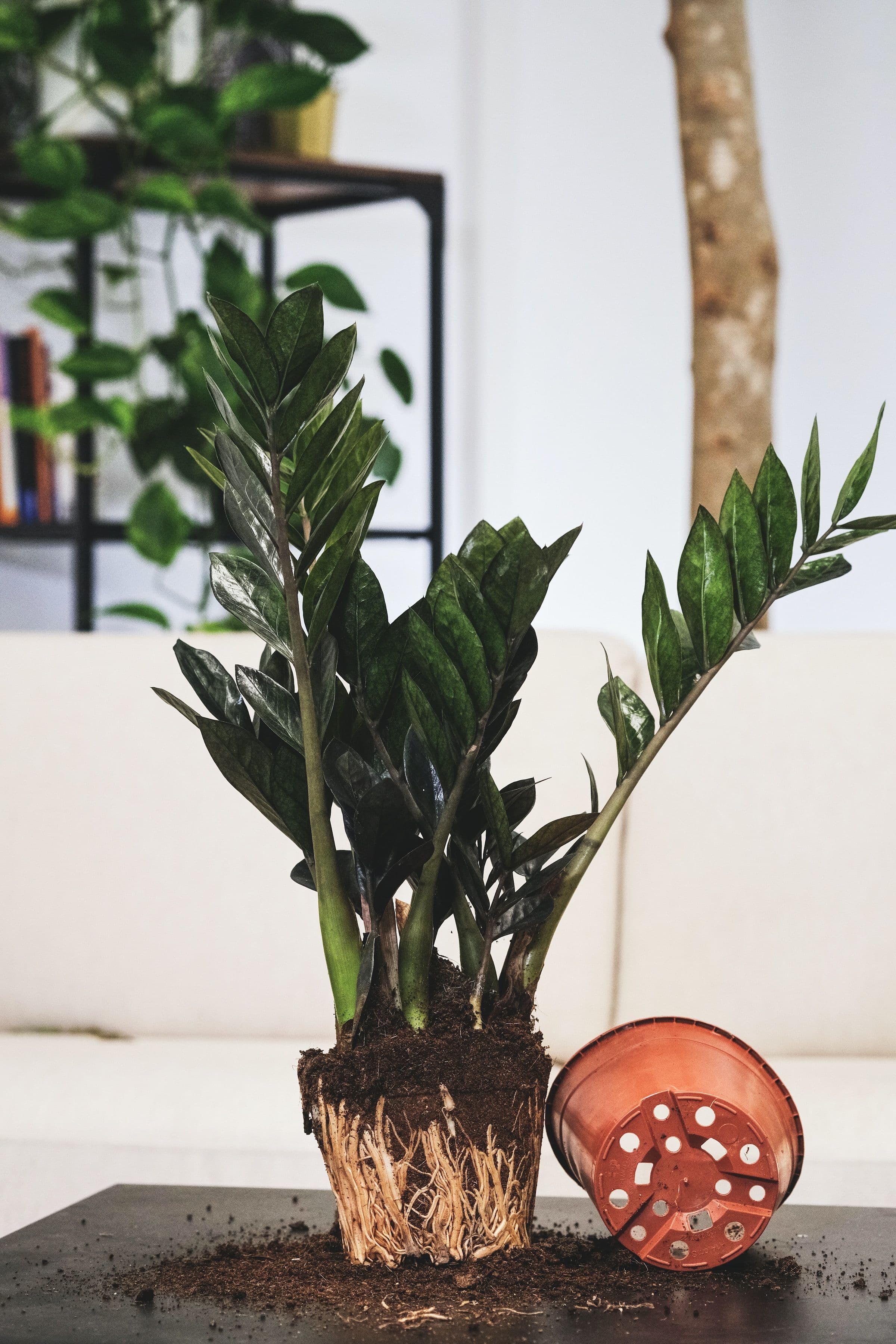
7. Repot When Necessary
As your plants grow, they may outgrow their pots. Signs that a plant needs repotting include roots growing through the drainage holes, a crowded root system, or a decline in growth. Choose a pot one size larger than the current one, with drainage holes for proper water management.
8. Monitor for Pests
Indoor plants can attract pests like spider mites, aphids, and mealybugs. Regularly inspect your plants for any signs of infestation and treat them promptly with insecticidal soap or neem oil.
Shop Plant Indoor Pesticide Now
9. Learn from Experience
Caring for indoor plants is an ongoing learning process. You may encounter setbacks, but don't be discouraged. Keep researching, connecting with fellow plant enthusiasts, and experimenting to find what works best for your unique indoor jungle.
With patience, attention, and a little bit of knowledge, you can create a lush, thriving indoor jungle that brings life and beauty to your home. Happy planting!