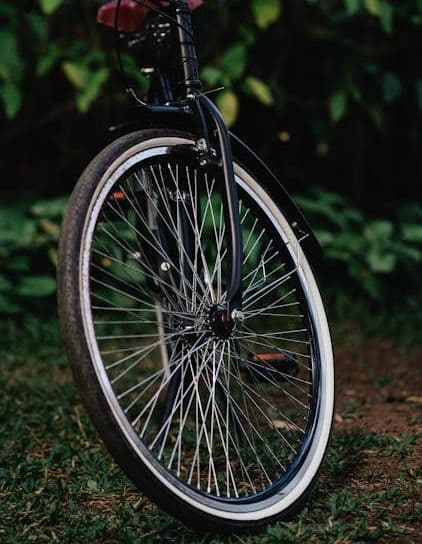
DIY Tips for Fixing Worn-Out Bicycle Bearings at Home
Bicycles are a great mode of transportation, offering a healthy way to travel and explore. However, like any mechanical device, they require regular maintenance to function properly. One common issue that cyclists face is worn-out bearings. Bearings are crucial for smooth operation, and when they start to wear out, you might notice your ride becoming rougher and less efficient. Fortunately, with a few tools and some patience, you can fix worn-out bicycle bearings at home. Here's how:
Understanding Bicycle Bearings
Before diving into the repair process, it's important to understand what bearings are and how they work. Bearings are small balls or rollers that reduce friction between moving parts of your bicycle, such as the wheels, pedals, and headset. They are usually made of steel or ceramic and are housed in races within the component they facilitate movement for.
Tools and Materials Needed
- Allen keys or a set of wrenches
- A flat and a Phillips head screwdriver
- Grease
- New bearings (if necessary)
- Clean rags
- Degreaser or isopropyl alcohol
- Bearing press (for certain types of bearings)
Step 1: Identify the Problem Area
First, determine which part of your bicycle has the worn-out bearings. Common areas include the wheel hubs, bottom bracket, or headset. Listen for grinding noises or feel for roughness when spinning the wheels or turning the handlebars.
Step 2: Disassemble the Component
Once you've identified the problem area, carefully disassemble the component. This might involve removing the wheel from the bike, taking off the cassette, or disassembling the headset. Make sure to keep track of all parts and how they fit together.
Step 3: Inspect and Clean
With the component disassembled, inspect the bearings and races for wear and damage. If the bearings are pitted, rusted, or otherwise damaged, they will need to be replaced. Clean all parts with a degreaser or isopropyl alcohol and a rag.
Step 4: Replace or Repack Bearings
If the bearings need replacing, ensure you have the correct size and type. For sealed bearings, you'll likely need a bearing press to install them properly. If the bearings are serviceable, repack them with fresh grease. Make sure to fill the races generously before reinserting the bearings.
Step 5: Reassemble the Component
Carefully reassemble the component, making sure all parts are correctly oriented and tightened to the manufacturer's specifications. For components like the headset or bottom bracket, proper adjustment is crucial to avoid damaging the new or repacked bearings.
Step 6: Test
Once everything is reassembled, give your bike a test ride to ensure everything is running smoothly. Pay attention to the repaired area to make sure there's no unusual noise or friction.
Conclusion
Fixing worn-out bicycle bearings at home can be a rewarding project, saving you a trip to the bike shop and extending the life of your bike. With the right tools and a bit of know-how, you can keep your ride smooth and efficient. Remember, regular maintenance is key to preventing wear and tear, so make it a habit to check and clean your bike's bearings periodically. Happy cycling!