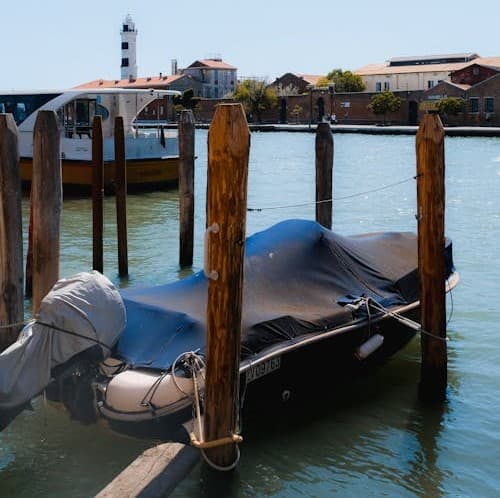
DIY Boat Covers: Crafting & Maintenance Guide
Boating enthusiasts understand the importance of protecting their vessels from the elements. A well-made boat cover is essential for prolonging the life of your boat by shielding it from UV rays, rain, and debris. While there are ready-made covers available, crafting your own DIY boat cover can be a rewarding project that allows for customization and cost savings. In this article, we'll guide you through the steps to make and maintain your own boat cover.
Materials Needed for DIY Boat Covers
Before you start, gather all the necessary materials. Here’s what you’ll need:
- Marine-grade fabric: Choose a durable, waterproof material like polyester or canvas.
- Measuring tape: To measure your boat accurately.
- Scissors: For cutting the fabric.
- Sewing machine: Ensure it can handle heavy-duty fabric.
- Thread: Preferably polyester as it is more durable and water-resistant.
- Grommets and grommet tool: For securing the cover to your boat.
- Rope or bungee cords: To tie down the cover.
Step-by-Step Guide to Making a Boat Cover
Step 1: Measure Your Boat
Accurately measure the dimensions of your boat. Include the highest point and the widest areas to ensure complete coverage.
Step 2: Cut the Fabric
Based on your measurements, cut the fabric, allowing extra for seams and adjustments.
Step 3: Sew the Seams
Sew the pieces of fabric together, reinforcing the seams to ensure they are strong and water-resistant.
Step 4: Add Grommets
Place grommets along the edges of the cover. These will be used to secure the cover to the boat.
Step 5: Secure the Cover
Use ropes or bungee cords to tie the cover down through the grommets, ensuring it fits snugly and securely.
Maintaining Your DIY Boat Cover
To ensure your boat cover lasts, regular maintenance is crucial. Here are some tips:
- Regular Cleaning: Clean the cover with mild soap and water to prevent mildew and remove dirt.
- Check for Wear and Tear: Inspect your cover regularly for any signs of wear or damage. Repair any tears or weak spots immediately.
- Proper Storage: When not in use, store your cover in a dry, cool place away from direct sunlight.
Conclusion
Creating a DIY boat cover is not only a cost-effective solution but also allows for a custom fit that can better protect your boat. With the right materials and a bit of sewing prowess, you can craft a durable and protective cover. Remember, regular maintenance will extend the life of your cover and, by extension, your boat.
For further assistance or if you prefer a guided experience, Mavyn offers both AI and human expert services. You can chat with Mavyn GPT or connect with a human expert to get personalized answers to your questions about DIY projects and more.