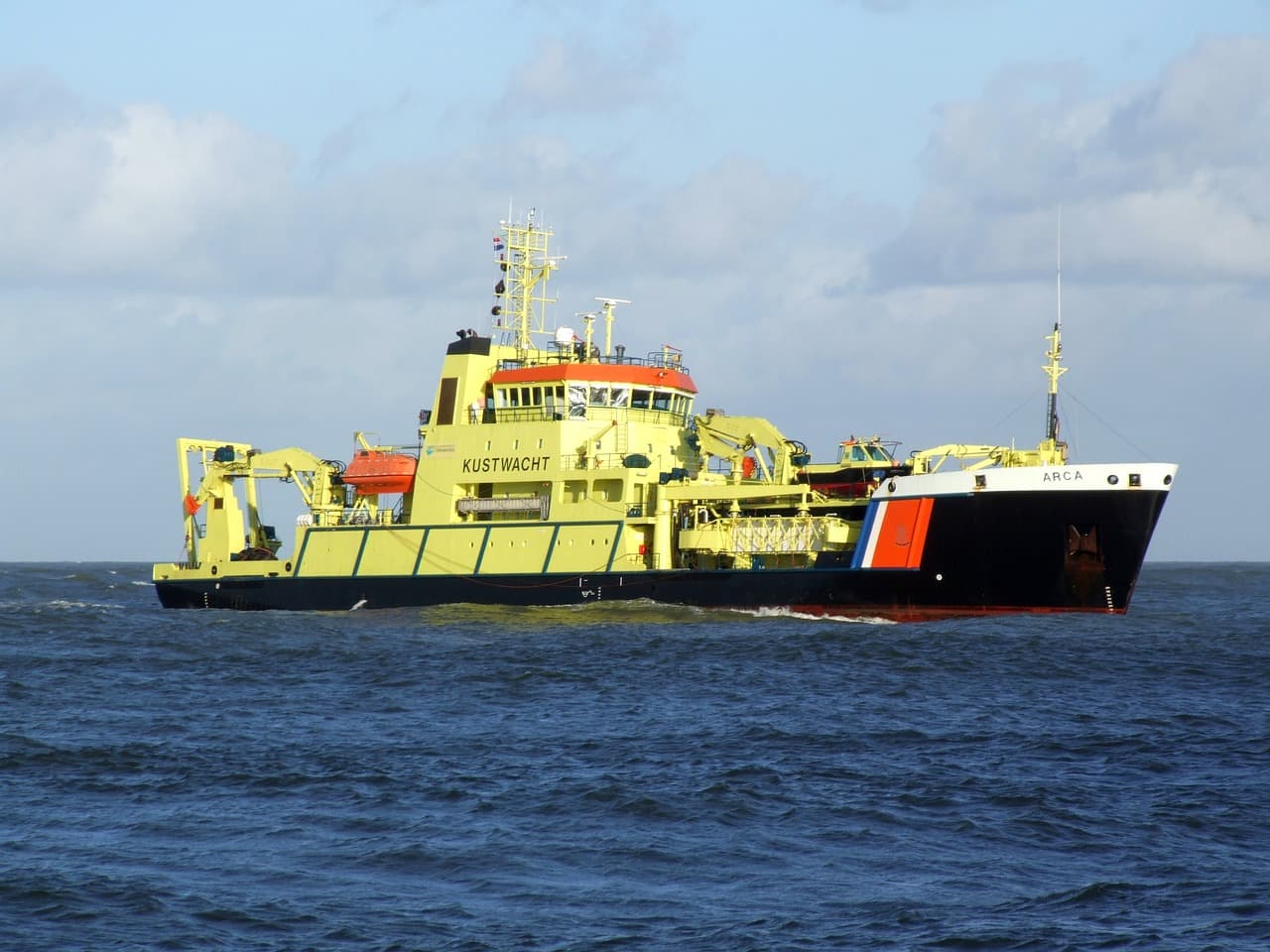
How Research Vessels Are Designed for Marine Science and Exploration
Research vessels are specialized ships designed specifically for the purpose of conducting scientific research at sea. These vessels are equipped with advanced technology and facilities to support a wide range of marine science activities, from oceanography and hydrographic surveys to marine biology and environmental studies. Understanding the design elements of these ships provides insight into how they support the critical work of scientists in understanding and preserving our oceans.
Key Design Features of Research Vessels
1. Hull Design
- Multi-Hull Vessels: Some research vessels feature catamaran or trimaran designs which provide greater stability in rough sea conditions, crucial for precise scientific measurements.
- Ice-Classed Hulls: Vessels intended for polar research are often equipped with reinforced hulls to navigate through ice-covered waters.
2. Laboratory Facilities
- Wet and Dry Labs: Most research vessels contain at least one wet lab and one dry lab. Wet labs are used for processing sea water samples and biological specimens, while dry labs are used for computer and electronic work.
- Climate-Controlled Rooms: Certain sensitive experiments require controlled environmental conditions, which is why these specialized rooms are crucial.
3. Deck Equipment
- A-Frames and Cranes: Essential for deploying and retrieving large oceanographic instruments and equipment.
- Winches and Reels: Used for towing scientific gear and handling moorings and cables.
4. Navigation and Communication Systems
- Dynamic Positioning Systems: Allows the vessel to maintain a fixed position in the water, crucial during precise scientific operations.
- Satellite Communications: Enables real-time data transfer and communication with shore-based teams.
5. Propulsion and Power Systems
- Diesel-Electric Propulsion: Offers better fuel efficiency and reduces the ship’s vibrations, which is important for sensitive scientific instruments.
- Backup Power Systems: Ensures uninterrupted power supply for continuous research activities, even in the event of a main generator failure.
6. Accommodation and Workspaces
- Comfortable Living Quarters: Essential for crew and scientists spending extended periods at sea.
- Dedicated Workspaces: Designed to accommodate conferences, data analysis, and collaborative projects.
Examples of Research Vessels
- RV Atlantis: Owned by the U.S. Navy and operated by the Woods Hole Oceanographic Institution, this vessel is equipped to support a wide range of scientific studies.
- RRS Sir David Attenborough: A British polar research ship, one of the most advanced floating research laboratories targeting both Antarctic and Arctic expeditions.
Conclusion
Research vessels are pivotal in advancing our understanding of marine environments. Their specialized design and equipment enable scientists to conduct detailed and diverse research crucial for environmental conservation and scientific discovery. Whether it's studying marine life, testing oceanographic theories, or exploring the deep ocean, these ships are equipped to handle the challenges of marine research.
Shop Marine Safety & Flotation Devices Now
For more information on marine science and technology, or if you need expert advice on a related topic, consider reaching out to Mavyn. At Mavyn, you can chat with Mavyn GPT or connect with a human expert to get the answers you need.