Decoding Your Car's VIN (Vehicle Identification Number)
A Vehicle Identification Number, or VIN, is essentially a car's fingerprint. Each car has a unique VIN that provides information about where and when it was made. Here's how you can decode your own VIN.
What is a VIN?
A Vehicle Identification Number (VIN) is a unique code that automotive manufacturers assign to each vehicle at the time of production. This 17-character alphanumeric identifier holds information about the car's unique features, specifications, and manufacturer. It can also provide details about the car's history, including accidents, recalls, and repairs.
Where to Find Your Car's VIN?
VINs are usually placed in several locations on a car, including:
- The driver's side dashboard, viewable through the windshield
- The driver's side door on a sticker or a plate
- Your car's insurance card or policy
- Your vehicle's title or registration
How to Decode a VIN?
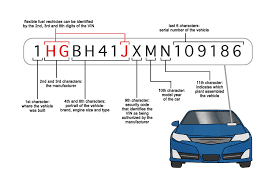
A VIN is divided into three sections: World Manufacturer Identifier (WMI), Vehicle Descriptor Section (VDS), and Vehicle Identifier Section (VIS).
World Manufacturer Identifier (WMI)
The first three characters of the VIN make up the WMI. The first character identifies the country where the car was manufactured. The second character represents the manufacturer, and the third character indicates the vehicle type or manufacturing division.
Vehicle Descriptor Section (VDS)
Characters 4 through 9 make up the VDS. These characters include information about the vehicle's model, body style, engine type, and more. The ninth character is a unique attribute known as a check digit to validate the VIN.
Vehicle Identifier Section (VIS)
The final eight characters of the VIN make up the VIS. It includes the vehicle’s model year, assembly plant, and the serial number of the vehicle.
Using VIN Decoding Tools
There are many online VIN decoders that can interpret the complex codes for you. All you need to do is enter your VIN, and these tools will provide you with a detailed breakdown of your vehicle's identity and history.
Conclusion
Understanding how to read a VIN allows you to verify a vehicle's history and details, which is particularly useful when buying a used car. It's a simple way to avoid potential issues and to ensure you're making a safe and informed purchase.