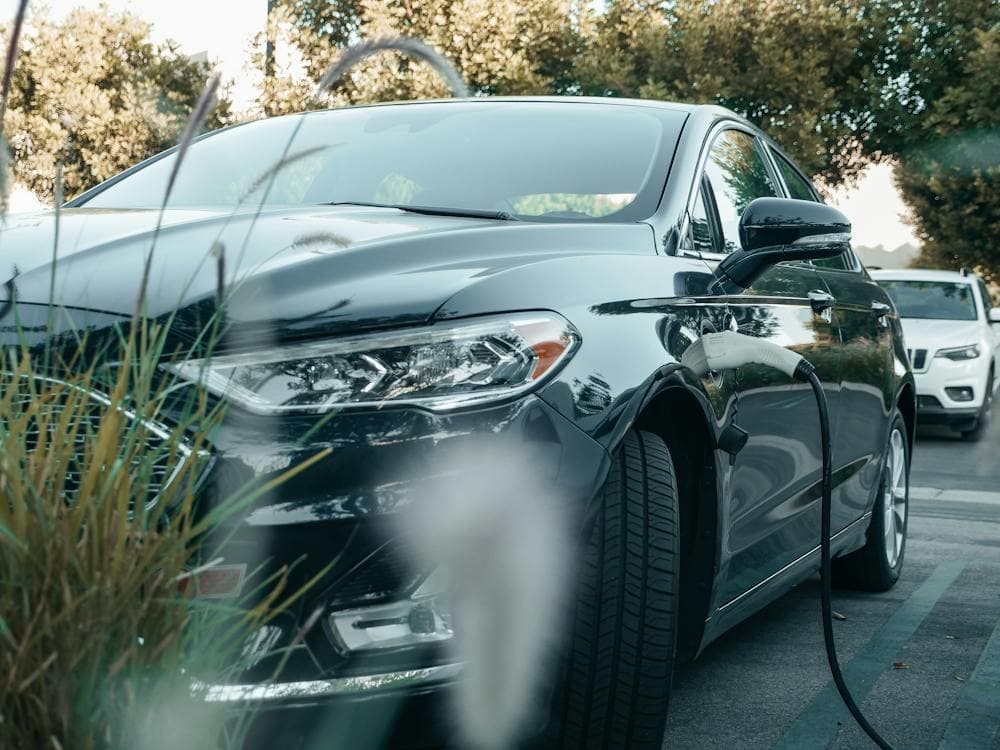
Debunking Common Myths Surrounding Hybrid Cars
In the world of automobiles, hybrid cars have gained considerable attention over the past few years. Despite their growing popularity, there are still many misconceptions surrounding their usage, cost efficiency, and overall benefits. In this article, we will debunk several common myths about hybrid cars and shed some light on the truth behind them.
Myth 1: Hybrid Cars Are More Expensive To Maintain
Truth: Many believe that due to the complex technology used in hybrid cars, they are costly to maintain. However, this is not necessarily true. Hybrid cars use regenerative braking, which reduces wear on brake pads. Also, because they rely partially on electric power, they require fewer oil changes. So, maintenance costs can actually be lower compared to conventional cars.
Myth 2: Hybrid Cars Are Not Powerful
Truth: A common misconception is that hybrid cars lack power. In reality, the combination of a gasoline engine and electric motor can provide comparable, if not superior, power output to many conventional cars. Some hybrid models are even used in racing due to their high performance.
Myth 3: Hybrid Cars Only Benefit City Drivers
Truth: While it's accurate that hybrid cars are highly efficient in stop-and-go city traffic due to their regenerative braking, they also offer benefits for highway driving. Many hybrids come with advanced aerodynamics and low rolling resistance tires, which enhance fuel efficiency at high speeds.
Myth 4: Hybrid Batteries Need Frequent Replacement
Truth: The batteries in hybrid cars are built to last for a long time, often for the lifetime of the car. Many manufacturers offer 8 to 10-year warranties on their hybrid batteries, and some have been known to last for over 200,000 miles without needing replacement.
Myth 5: Hybrid Cars Are Not Truly Eco-friendly
Truth: Some argue that the process of manufacturing hybrid cars and their batteries negates their environmental benefits. While it's true that the production of hybrid cars may require more energy, the overall lifetime emissions of a hybrid car are significantly lower than conventional vehicles.
Conclusion
Hybrid cars, like any other technological innovation, come with their own set of myths and misconceptions. However, when these myths are examined closely, it's evident that hybrid cars offer numerous benefits, from cost savings to environmental sustainability. As we move towards a more eco-conscious world, hybrid cars present a viable and efficient option for the future of transportation.