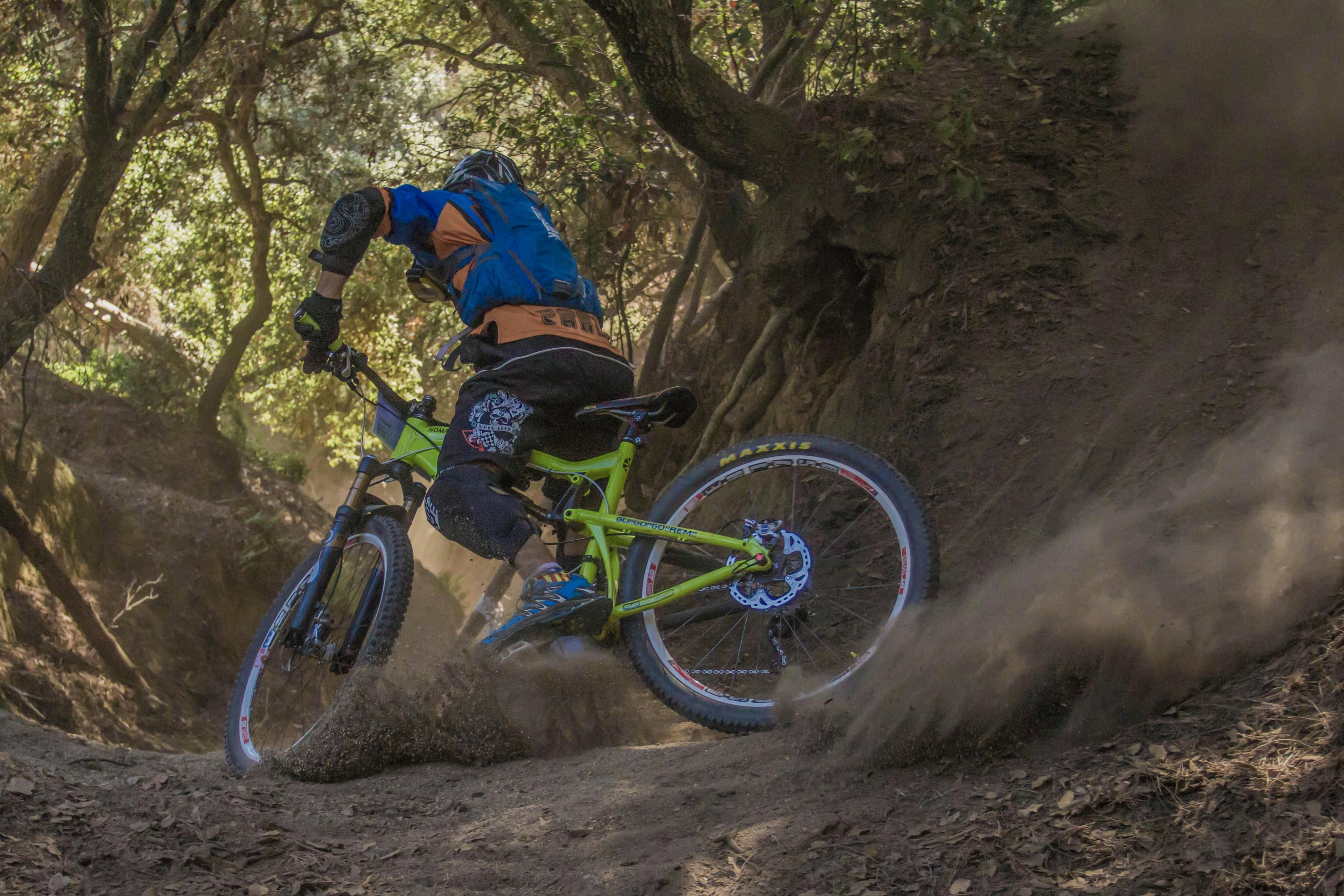
Common Brake Problems in Mountain Bikes and How to Fix Them
Mountain biking is an exhilarating sport that combines physical exercise with the thrill of navigating through diverse terrains. However, the fun can quickly turn into a risky ordeal if your bike's brakes are not functioning properly. Understanding common brake problems and knowing how to fix them is crucial for every mountain biker. Here’s a detailed guide on identifying and resolving common brake issues, ensuring a safer ride.
1. Squeaking or Noisy Brakes
Problem: Squeaking or noisy brakes are common and can be caused by dirt, moisture, or misaligned brake pads.
Solution:
- Clean the Brake Pads and Rotors: Use a clean rag and isopropyl alcohol to wipe down the brake pads and rotors. This removes any dirt or grime that could be causing the noise.
- Realign the Brake Pads: Loosen the bolts holding the brake pads, realign them so they are parallel to the rotor, and then retighten the bolts.
Example: After a muddy ride, clean your brakes thoroughly as dirt can embed in the brake pads and cause squeaking.
2. Reduced Braking Power
Problem: If your brakes feel less responsive, it could be due to worn-out pads, glazed pads, or air in the hydraulic lines.
Solution:
- Replace Worn-Out Brake Pads: Check the thickness of your brake pads. If they are thinner than 3mm, it’s time to replace them.
- Deglaze the Brake Pads: If the pads are not worn out but have a shiny surface, use fine sandpaper to roughen up the pads slightly.
- Bleed the Brakes: For hydraulic brake systems, bleeding the brakes to remove air from the lines can significantly improve brake performance.
Example: Regularly check brake pad wear especially after long descents or extensive rides.
3. Brake Pads Rubbing Against the Rotor
Problem: This issue can cause a constant dragging feeling and is typically due to misalignment.
Solution:
- Adjust the Brake Calipers: Loosen the bolts that attach the caliper to the frame or fork just enough so that the caliper can move. Spin the wheel and apply the brake several times to help the caliper center itself. Tighten the bolts back.
- Realign the Wheel: Ensure that your wheel is properly seated in the fork or frame.
Example: After replacing a wheel, always double-check that it's properly aligned to avoid rubbing.
4. Brake Lever Pulls Too Close to the Handlebar
Problem: This can be a sign of not enough brake fluid, worn brake pads, or air in the hydraulic system.
Solution:
- Adjust the Brake Lever: Many brake levers allow for adjusting the reach. Consult your bike’s manual for specific adjustments.
- Bleed the Hydraulic System: Remove air bubbles from the system as mentioned earlier.
- Replace Worn Pads: As with reduced braking power, replacing worn pads can also resolve this issue.
Example: Before a long ride, always check the brake lever's reach and responsiveness.
Conclusion
Regular maintenance and timely repairs of your mountain bike's brakes are essential for safe and enjoyable rides. By understanding these common issues and knowing how to fix them, you can ensure that your bike is always in top condition. Remember, if you're unsure about performing any repairs, it's wise to consult a professional.
For further assistance, you can chat with Mavyn GPT or connect with a human expert at Mavyn to get personalized answers to your questions about bike maintenance and more.