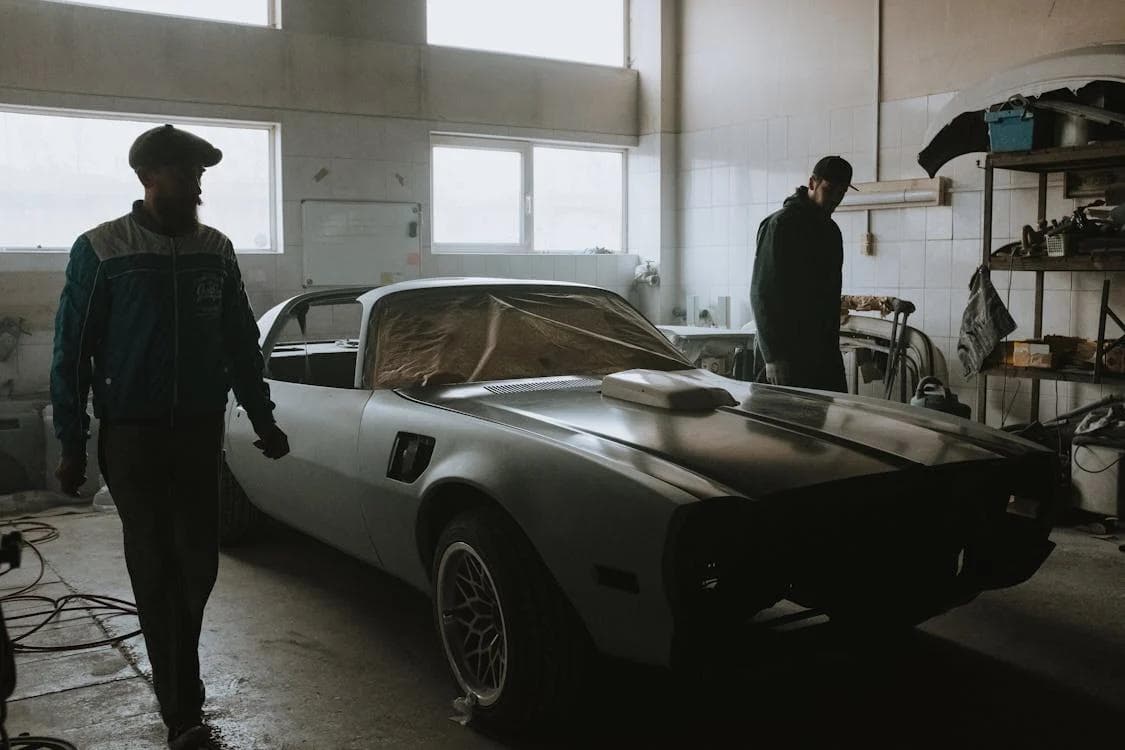
Transform Your Classic Car - Step-by-Step Bodywork Restoration Techniques
Restoring a classic car is a labor of love that requires patience, skill, and the right techniques. Bodywork restoration is a critical part of bringing your vintage vehicle back to its former glory. This guide will walk you through the essential steps of bodywork restoration, from initial assessment to the final touches of paint.
Step 1: Initial Assessment
Before diving into the restoration, it's crucial to assess the condition of your classic car's bodywork. Look for rust, dents, and any signs of previous repairs. This step will help you understand the extent of the work needed and plan your restoration process.
Step 2: Disassembly
Carefully disassemble any parts that need restoration or could be damaged during the process. This includes removing trim, bumpers, and potentially even the engine if it allows better access to the car's body. Keep track of all parts and their locations for reassembly.
Step 3: Rust Removal
Rust is the enemy of classic cars. Use a combination of mechanical (sanding, grinding) and chemical (rust converters, phosphoric acid) methods to remove rust. For severe rust, you may need to cut out the affected area and weld in new metal.
Step 4: Repairing Dents
Small dents can often be repaired using body filler. For larger dents, you may need to use a combination of hammering and filling to restore the shape of the metal. Always aim to use as little filler as possible to maintain the integrity of the repair.
Step 5: Sanding
Sanding is crucial for achieving a smooth surface. Start with coarse grit sandpaper to remove old paint and smooth out repairs, gradually moving to finer grits. This step is labor-intensive but essential for a high-quality finish.
Step 6: Priming
Once the body is smooth and free of imperfections, apply a high-quality primer. Primer serves as a base for the paint and helps to reveal any areas that may need additional attention. Allow the primer to dry thoroughly before moving on.
Step 7: Final Sanding
After the primer has dried, perform a final sanding with very fine sandpaper. This step ensures a perfectly smooth surface for the paint. Be meticulous, as any imperfections will be visible after painting.
Step 8: Painting
Choose a high-quality automotive paint for your classic car. Whether you're using a spray gun or aerosol cans, apply the paint in several thin layers, allowing each layer to dry before applying the next. This technique helps prevent runs and ensures an even coat.
Step 9: Polishing
Once the paint is fully cured, polish the surface to achieve a glossy finish. Start with a coarse polishing compound and gradually move to finer compounds. This step enhances the shine and depth of the paint.
Step 10: Reassembly
With the bodywork complete, carefully reassemble the removed parts. Replace any worn or damaged hardware to ensure your classic car not only looks great but is also safe and reliable.
Conclusion
Restoring the bodywork of a classic car is a rewarding project that can significantly enhance the vehicle's appearance and value. By following these step-by-step techniques, you can achieve professional-quality results. Remember, patience and attention to detail are your best tools in this endeavor. Happy restoring!