From Sketch to Reality: The Process of Bringing a Car Design to Life
The journey of a car from a mere concept to a tangible, drivable vehicle is a fascinating blend of art, science, and engineering. It's a process that involves creativity, precision, and a deep understanding of both aesthetics and functionality. In this article, we'll delve into the steps that take a car design from sketch to reality, highlighting the intricacies and challenges faced by designers and engineers along the way.
1. Conceptualization and Sketching
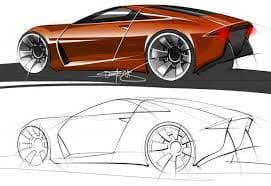
The process begins with conceptualization, where designers brainstorm ideas based on market research, trends, and innovation. Sketching is the first tangible step, where these ideas start taking a visual form. Designers use both traditional hand-drawing techniques and digital tools to create initial sketches. These sketches are expressive, aiming to capture the essence and emotion of the design rather than precise details.
2. Digital Modeling
Once a sketch is selected, it moves into the digital modeling phase. Designers use advanced computer-aided design (CAD) software to create detailed 3D models of the car. This step allows for the exploration of different design elements, such as shapes, lines, and proportions, in a virtual environment. It's also where ergonomics and aerodynamics are first tested, using simulations to predict how the car will perform in real-world conditions.
3. Clay Modeling
Despite the advancements in digital tools, clay modeling remains an essential step in car design. A life-size clay model of the car is created, allowing designers and stakeholders to experience the design in three dimensions. This step is crucial for assessing the physical presence of the car and making adjustments to the design. It's a hands-on process, where the artistry of the designers truly shines.
4. Prototyping
With the design finalized, the next step is to build a prototype. This is the first time the car is constructed in its entirety, including both the exterior and interior. Prototyping involves a combination of custom-fabricated parts and components borrowed from existing models. The prototype is a critical tool for evaluating the design's feasibility, functionality, and safety before moving into production.
5. Testing and Refinement
The prototype undergoes rigorous testing, including crash tests, performance tests, and durability tests. Feedback from these tests leads to refinements in the design and engineering of the car. This phase is iterative, with multiple rounds of testing and adjustments to ensure that the final product meets all safety, performance, and quality standards.
6. Pre-production and Final Adjustments
Once the design and engineering are finalized, the car moves into pre-production. This phase involves setting up the manufacturing process, including tooling, assembly line setup, and quality control measures. A small batch of cars is produced to test the manufacturing process and make any necessary adjustments.
7. Production
With everything in place, full-scale production begins. The car design that started as a sketch is now a reality, rolling off the assembly line and ready to hit the roads.
Conclusion
The journey from sketch to reality is a testament to the collaboration between designers, engineers, and countless other professionals. It's a process that combines creativity with technical expertise, all in the pursuit of creating vehicles that inspire, perform, and meet the needs of drivers around the world. The next time you see a new car, remember the incredible journey it has undergone to move from an initial sketch to the vehicle before you.