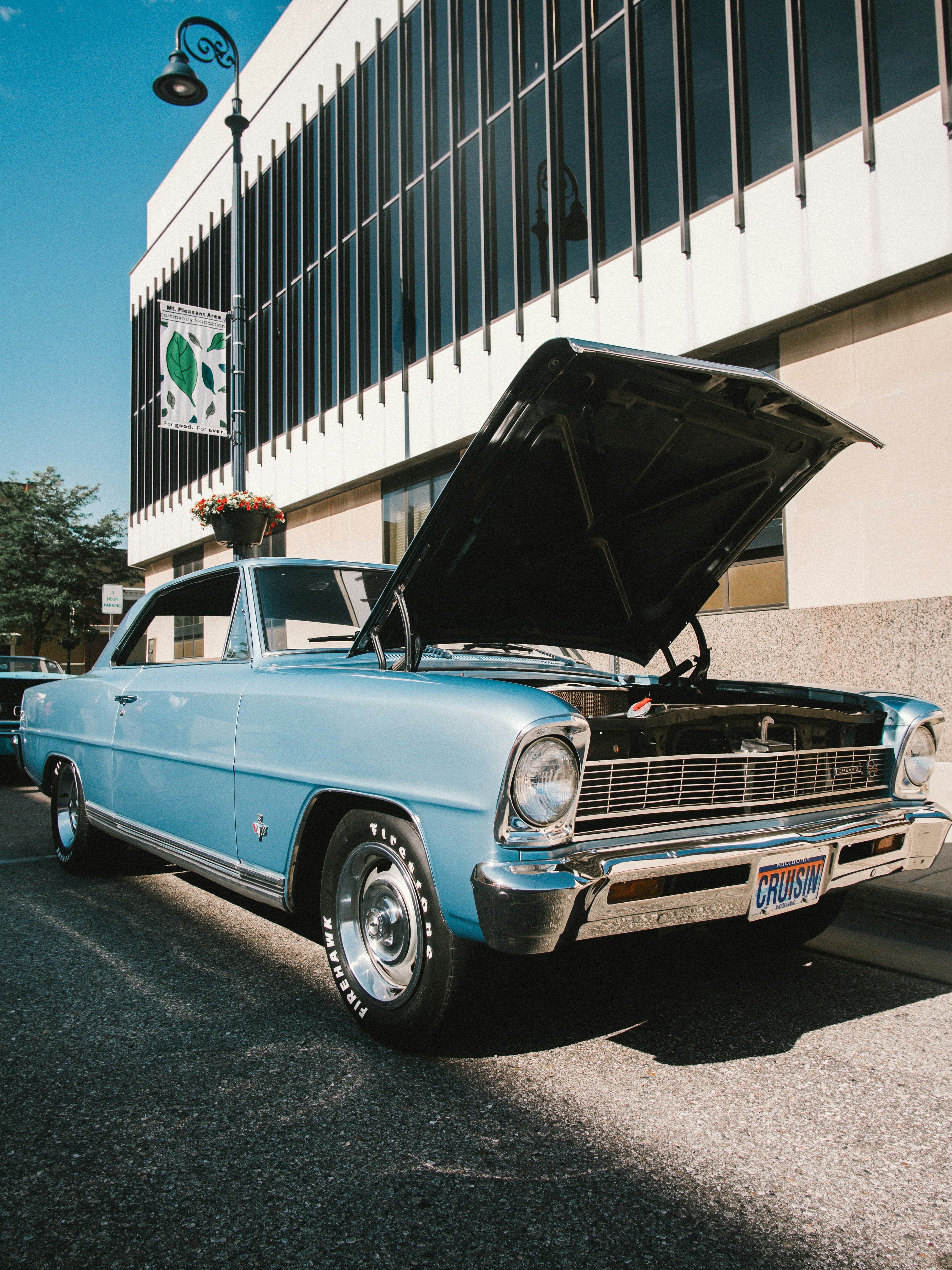
Brake Fluid: Key to Classic Car Performance
When it comes to classic cars, enthusiasts know that every component plays a crucial role in performance and safety. One often overlooked yet vital element is brake fluid. In this article, we will explore the importance of brake fluid in classic cars, how to choose the right type, and tips for maintaining it effectively.
Why Brake Fluid Matters
Brake fluid is essential for the hydraulic brake system in your classic car. It transfers force from the brake pedal to the brake components, allowing your vehicle to stop safely. Here are some key reasons why brake fluid is critical:
- Safety: Proper brake fluid ensures that your brakes respond effectively, reducing stopping distances and enhancing safety.
- Performance: High-quality brake fluid can improve the overall performance of your braking system, especially during high-stress situations like racing or emergency stops.
- Corrosion Prevention: Brake fluid helps protect the internal components of the brake system from corrosion, which is particularly important in classic cars that may have older parts.
Types of Brake Fluid
Choosing the right brake fluid is crucial for maintaining your classic car's performance. There are two main types of brake fluid:
- DOT 3: This glycol-based fluid is commonly used in older vehicles. It has a lower boiling point, making it suitable for standard driving conditions.
- DOT 4: This fluid has a higher boiling point and is better for performance vehicles or those that may experience more demanding driving conditions.
Example of Brake Fluid Selection
- Classic Car Example: If you own a 1965 Ford Mustang, using DOT 3 brake fluid may be sufficient for everyday driving. However, if you plan to take it to the track, consider upgrading to DOT 4 for better performance.
Tips for Maintaining Brake Fluid
To ensure your classic car's brake system remains in top condition, follow these maintenance tips:
- Regular Checks: Inspect your brake fluid level regularly. Low levels can indicate leaks or other issues.
- Change Intervals: Replace brake fluid every 1-2 years, as it can absorb moisture over time, which lowers its boiling point and effectiveness.
- Use the Right Fluid: Always use the type of brake fluid recommended by your vehicle's manufacturer. Mixing different types can lead to brake failure.
- Bleed the Brakes: If you notice a spongy brake pedal, it may be time to bleed the brakes to remove air bubbles from the system.
Example of Brake Fluid Maintenance
- Maintenance Schedule: For a classic car like a 1970 Chevrolet Camaro, set a reminder to check the brake fluid every six months and plan to replace it every two years to ensure optimal performance.
Conclusion
Brake fluid is a critical component of your classic car's performance and safety. By understanding its importance, choosing the right type, and following maintenance tips, you can ensure that your classic car remains in excellent condition for years to come.
If you have any questions about brake fluid or need expert advice on classic car maintenance, feel free to chat with Mavyn GPT or connect with one of our human experts for personalized assistance.
Remember, keeping your classic car in top shape is not just about aesthetics; it's about performance and safety on the road!