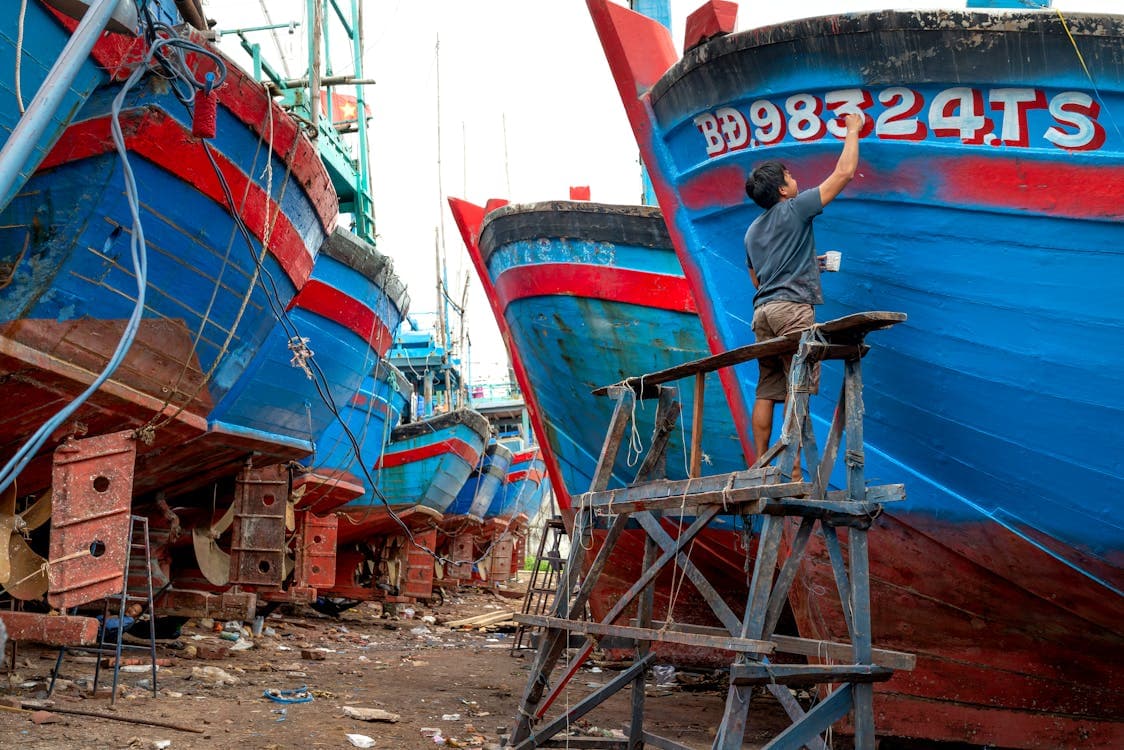
Boat Painting and Finishing: Techniques for a Stunning Vessel
Boat painting and finishing are crucial for not only aesthetic appeal but also for protecting your vessel from the harsh marine environment. Whether you're a seasoned sailor or a weekend warrior, understanding the right techniques can make a significant difference in the longevity and appearance of your boat. Here’s a detailed guide to help you achieve a professional-quality finish.
1. Preparation: The Key to Perfection
Before you even open a can of paint, thorough preparation is essential. This stage will largely determine the quality of the finish.
- Cleaning: Start by thoroughly washing the boat to remove salt, dirt, and grime. Use a high-quality marine cleaner and ensure you get into all the nooks and crannies.
- Sanding: Sanding the boat's surface is crucial for ensuring the new paint adheres properly. Start with a coarse grit sandpaper and work your way up to a finer grit. Remember to always sand in the direction of the grain.
- Repairs: Inspect the surface for any cracks, dents, or holes. Use an epoxy filler to repair any imperfections, and sand the area smooth once it's dry.
- Taping: Mask off any areas that you don’t want to paint, such as hardware and windows, using painter's tape.
2. Choosing the Right Paint
Selecting the right type of paint is critical, as different environments and boat materials require different paints.
- Topside Paints: These are used above the waterline and are available in one-part (alkyd, enamel) or two-part (polyurethane) systems. Two-part paints are more durable and provide a high-gloss finish.
- Bottom Paints: Also known as antifouling paints, these are used below the waterline to prevent the growth of barnacles and algae. They typically contain biocides and come in ablative or hard types.
3. Applying Primer
Primer serves as an intermediary layer that helps the paint adhere better and provides extra protection against elements.
- Application: Apply the primer using a roller or a brush. For larger areas, a spray gun might be more efficient.
- Drying: Allow the primer to dry completely, following the manufacturer's recommendations. This might take anywhere from a few hours to overnight.
4. Painting Techniques
The actual painting can be done using a brush, roller, or spray gun. Each method has its pros and cons.
- Brush: Good for small areas and touch-ups. It gives you more control but can be slower.
- Roller: Faster than a brush and good for covering large areas. Can sometimes leave a textured finish.
- Spray: Provides the smoothest finish but requires more equipment and preparation.
5. Finishing Touches
After the paint has dried, applying a clear coat can enhance the gloss and protection of the paint job.
- Sanding Between Coats: Lightly sanding between coats with fine-grit sandpaper can help achieve a smoother finish.
- Final Coat: Apply a clear coat for extra gloss and protection. This step is especially recommended for topside paints.
6. Maintenance
Regular maintenance can extend the life of your paint job and keep your boat looking great.
- Routine Cleaning: Regularly wash your boat to remove salt and dirt.
- Waxing: Apply a marine wax every few months to protect the paint from UV rays and the environment.
Shop Marine Safety & Flotation Devices Now
Conclusion
A well-executed paint job not only enhances the beauty of your boat but also protects it from the elements. By following these steps, you can ensure a durable and stunning finish that will make your vessel stand out on the water.
For further assistance or detailed queries, connect with a human expert or chat with Mavyn GPT at Mavyn, where AI and human expertise blend to offer you tailored solutions for your boat maintenance needs.