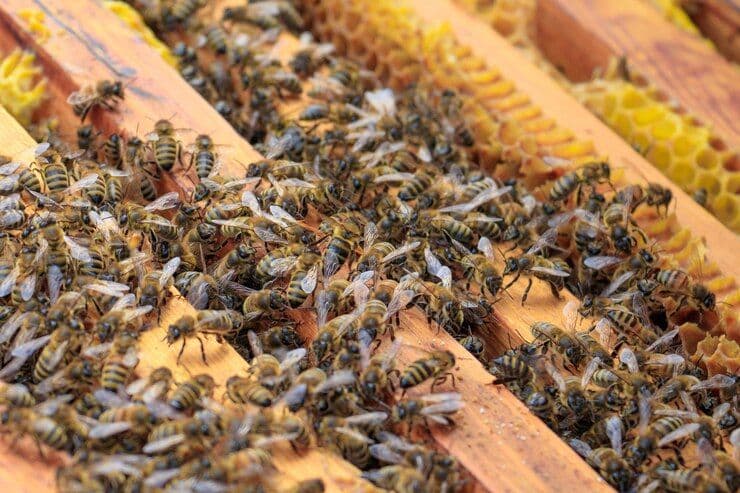
A Beginner's Guide to Queen Bee Management - Everything You Need to Know
Managing a beehive can be a rewarding experience, offering insights into the complex world of bees. At the heart of every thriving hive is the queen bee, whose health and leadership are crucial for the colony's success. This guide will walk you through the basics of queen bee management, ensuring your hive flourishes.
Understanding the Role of the Queen Bee
The queen bee is the only breeding female in the hive, responsible for laying all the eggs from which the colony's population is derived. Her presence and health directly influence the hive's productivity and stability. A queen can live up to 5 years, but her peak laying period is in the first 2-3 years. Recognizing when to replace a queen is a critical skill in beekeeping.
Selecting a Queen Bee
When selecting a queen, consider the following traits for a healthy, productive hive:
- Genetics: Look for queens from reputable breeders with a history of disease resistance and high productivity.
- Temperament: Gentle bees make hive management easier and safer.
- Productivity: A good queen lays consistently, ensuring a steady population growth.
Introducing a New Queen
Introducing a new queen to your hive is a delicate process. Follow these steps to ensure a smooth transition:
- Remove the Old Queen: Locate and remove the existing queen. This step is crucial as worker bees will not accept a new queen if the old one is still present.
- Introduce the Queen Cage: Place the new queen, usually in a small cage, into the hive. The cage allows the bees to get accustomed to her scent while protecting her from immediate attack.
- Release the Queen: After a few days, once the bees have accepted her presence, you can release the queen from her cage. Some cages have a candy plug that the worker bees eat through to gradually release her.
Monitoring Your Queen
After introduction, closely monitor the hive for signs of acceptance and normal activity:
- Egg Laying Patterns: A healthy queen will lay eggs in a consistent pattern, filling the cells in a compact, solid manner.
- Behavior of the Worker Bees: Acceptance is also indicated by the worker bees' behavior. If they are not aggressive towards the queen and start to follow her, it's a good sign.
- Queen Cells: Be on the lookout for queen cells, as these indicate the colony may be trying to replace the queen themselves, a process known as "supersedure."
When to Replace a Queen
Consider replacing a queen if you notice:
- Decreased Egg Production: A significant drop in egg laying can indicate the queen's health is declining.
- Poor Temperament: If the hive becomes more aggressive, it may be due to the queen's genetics.
- Signs of Disease or Aging: Physical signs of deterioration or disease in the queen require immediate action.
Conclusion
Queen bee management is a vital aspect of beekeeping, requiring patience, observation, and timely decision-making. By understanding the role of the queen, selecting carefully, introducing her properly, and monitoring the hive's health, you can ensure the prosperity of your bee colony. Remember, a healthy queen leads to a thriving hive.