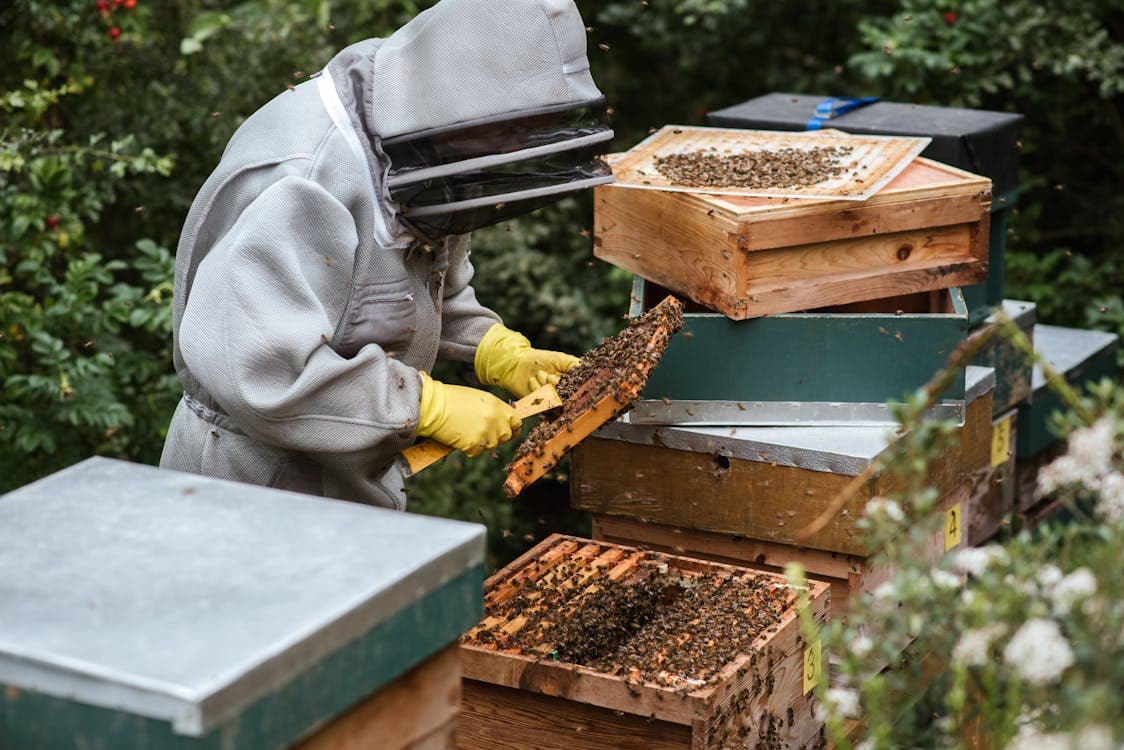
Apiary Equipment Maintenance: Tips for Longevity and Efficiency
Beekeeping is a rewarding endeavor that requires dedication, patience, and the right equipment. To ensure your apiary thrives, maintaining your equipment is crucial. Proper maintenance not only extends the life of your tools but also ensures the health and productivity of your bee colonies. Here are essential tips for keeping your apiary equipment in top condition.
Regular Inspection and Cleaning
Inspect Regularly
Regularly inspect your equipment for signs of wear and tear, especially during routine hive inspections. Look for cracks, warping, or damage that could compromise the hive's integrity or safety.
Clean Tools After Use
After each use, clean your tools to remove any propolis, wax, or honey. This prevents the spread of diseases and pests between hives. For tools like hive scrapers or smokers, a simple wipe-down or brushing off residue will suffice.
Hive Maintenance
Repair Damaged Equipment Promptly
Address any damage as soon as possible to prevent further deterioration. Small cracks can be sealed with a food-safe sealant, while larger issues may require replacing parts of the hive.
Treat Wooden Components
Wooden hive components should be treated with a non-toxic, bee-safe preservative. This can protect against weather damage and extend the life of your hives. Ensure any treatments are safe for bees and have fully dried before introducing them back to the hive.
Seasonal Care
Winter Preparation
In colder climates, winterizing your hives is essential. This may involve adding insulation or windbreaks. After the season, inspect and repair any winter equipment, such as hive wraps or heaters, before storing them.
Spring Cleaning
Spring is a great time for a thorough cleaning and inspection of all equipment. Frames and boxes should be checked for mold or pests and cleaned or replaced as necessary. This is also an ideal time to clean and prepare your extractor for the upcoming harvest.
Storage Solutions
Store Equipment Properly
Proper storage is key to preventing damage and pest infestations. Store unused equipment in a dry, ventilated area. Frames, especially those with comb, should be stored in a way that prevents wax moth damage, such as in a freezer or sealed container with moth crystals.
Shop Bee Keeper Starting Kit Now
Organize for Accessibility
Keep your equipment organized and accessible. This not only makes your work more efficient but also helps in keeping your tools in good condition. Use shelving units or hooks to keep tools off the ground and in their designated spots.
Pest and Disease Management
Regularly Check for Pests
Regularly inspect your equipment for signs of pests, such as wax moths or hive beetles. Use appropriate methods to manage these pests, ensuring any treatments are safe for bees.
Sanitize Equipment Between Hives
To prevent the spread of diseases, sanitize tools between hives. This can be as simple as dipping tools in a bleach solution or using a flame to sterilize metal tools.
Conclusion
Maintaining your apiary equipment is an ongoing process that is essential for the health and productivity of your bee colonies. By following these tips, you can ensure your equipment lasts longer and supports your beekeeping efforts efficiently. Remember, a well-maintained apiary is a productive apiary.