A Beginner's Guide to Tracking and Improving Gas Mileage
In today's economy, we're all looking for ways to save money. One often overlooked area of potential savings is your vehicle's gas mileage. By learning how to track and improve it, you can not only save money at the pump but also do your part to reduce carbon emissions. This guide will walk you through the basics.
What is Gas Mileage?
Gas mileage, also known as fuel efficiency, refers to the distance a vehicle can travel per unit of fuel consumed. It is usually measured in miles per gallon (MPG) in the United States and kilometers per liter in many other countries.
Why is Tracking Gas Mileage Important?
Tracking your vehicle's gas mileage can provide insight into its performance and efficiency. It can help identify any potential problems early, such as a sudden decrease in MPG, which might indicate a mechanical issue. Regular tracking also helps determine if any modifications or changes you’ve made are improving your vehicle's gas mileage.
How to Track Your Gas Mileage
Here are the steps to track your vehicle's gas mileage:
- Fill Up Your Tank: Start by filling up your tank completely. The 'full tank' method is the most accurate way to measure gas mileage.
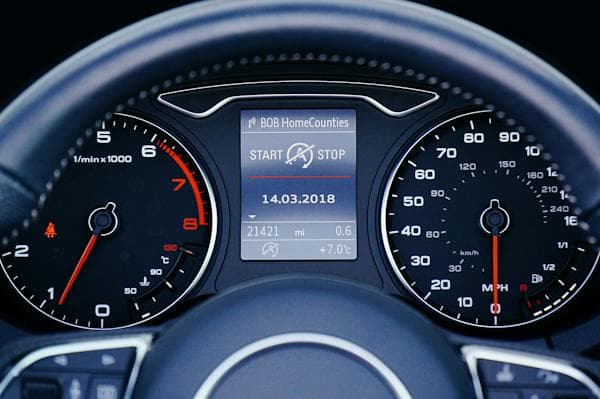
- Reset Your Trip Odometer: Most vehicles have a trip odometer that you can reset to zero when you fill up your tank. If not, you could manually note down the vehicle's total mileage at this point.
- Drive As Usual: Proceed with your usual driving habits until it's time to fill up the tank again.
- Fill Up & Note Mileage: When you refill, note the number of gallons it took to fill up and the mileage on your trip odometer (or the difference in total mileage if you're noting it manually).
- Calculate Your MPG: Divide the miles driven by the gallons of gas used to get your MPG.
Tips to Improve Gas Mileage
Here are some practical steps to improve your gas mileage:
- Drive Smoothly: Rapid acceleration and braking can reduce your gas mileage. Try to accelerate gradually and coast to a stop when possible.
- Maintain Your Vehicle: Regular maintenance, such as timely oil changes, keeping tires properly inflated, and replacing air filters, can improve your vehicle's gas mileage.
- Reduce Extra Weight: Extra weight can reduce fuel efficiency. Remove any unnecessary items from your vehicle.
- Plan Your Trips: Combine short trips into one to avoid multiple cold starts and stops, which can reduce your gas mileage.
- Use Cruise Control: If your vehicle has cruise control, use it on highways to maintain a steady speed and conserve fuel.
Remember, improving gas mileage is not only about saving money but also about reducing your carbon footprint. Every little bit helps, so start tracking your gas mileage today and see how much you can save!