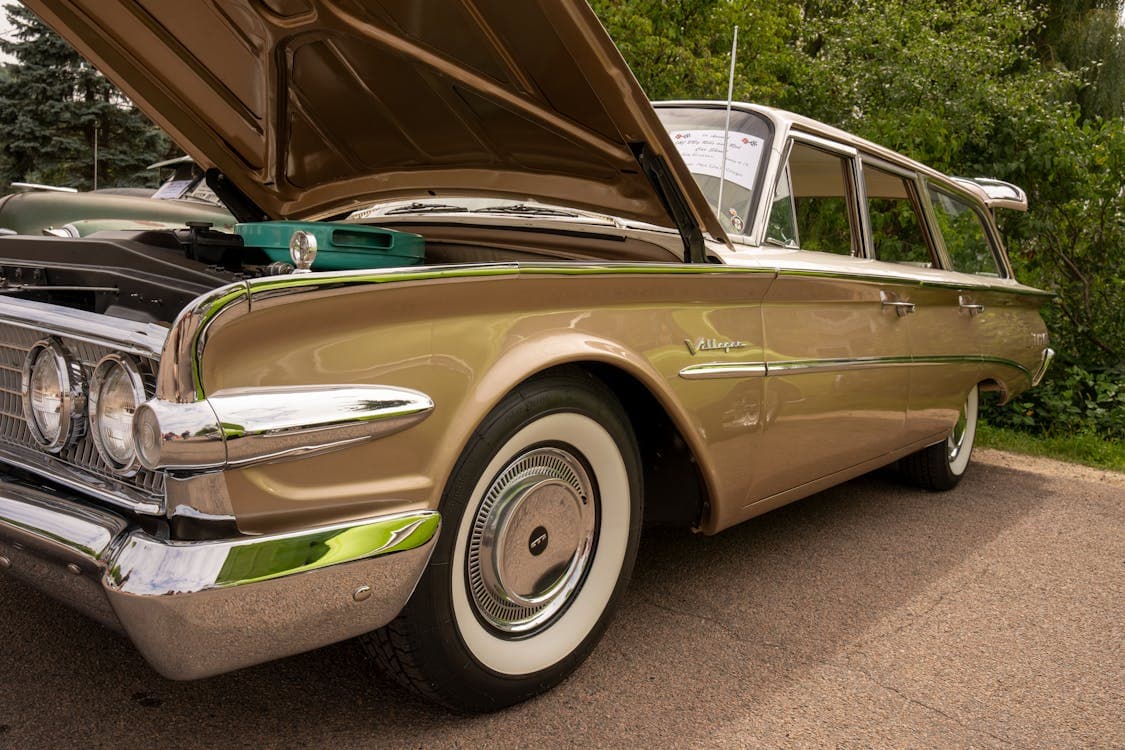
5 Essential Tips for Buying Classic Cars - A Beginner's Guide
Buying a classic car can be an exhilarating experience, offering not just a piece of automotive history but also a potentially rewarding investment. However, for beginners, the process can seem daunting. Whether you're dreaming of a vintage Mustang or a classic Porsche, here are five essential tips to guide you through the process of buying your first classic car.
1. Do Your Homework
Research is Key
Before diving into the market, it's crucial to arm yourself with knowledge. Start by identifying the make and model you're interested in and then delve into the specifics:
- History and Variants: Learn about the car's history, including any model year changes or variations. Some years might be more desirable due to performance upgrades or limited production runs.
- Common Issues: Familiarize yourself with common issues or rust-prone areas specific to the model. This knowledge will be invaluable when inspecting vehicles.
- Market Value: Use classic car valuation tools and auction results to understand the market value. Prices can vary widely based on condition, originality, and provenance.
2. Set a Realistic Budget
Factor in All Costs
Your budget should cover not just the purchase price but also restoration, maintenance, insurance, and storage costs. Classic cars can require more upkeep than modern vehicles, so it's important to factor in these ongoing expenses. Setting a realistic budget upfront can help you avoid financial strain down the line.
3. Inspect Thoroughly
Know What to Look For
When you find a potential purchase, a thorough inspection is crucial. If you're not mechanically inclined, consider hiring a classic car inspector or bringing along a knowledgeable friend. Pay special attention to:
- Body and Frame: Check for rust, bondo, or signs of accident damage. Bring a magnet to test for body filler.
- Engine and Transmission: Look for leaks, listen for unusual noises, and check the condition of belts and hoses.
- Interior and Electrical: Test all lights, switches, and gauges. Inspect the condition of the upholstery and trim.
4. Test Drive
Feel the Car
A test drive can reveal a lot about a classic car's condition. Pay attention to how the car handles, brakes, and accelerates. Listen for any unusual noises and note how the transmission shifts. This is also your chance to ensure the car feels right for you.
5. Consider Future Value
Investment Potential
While not all classic cars will appreciate in value, some have the potential to be good investments. Research past and current market trends for your chosen model. Cars with documented history, low production numbers, and high originality tend to appreciate more. However, remember that market trends can change, so choose a car you'll love regardless of its investment potential.
Conclusion
Buying a classic car is a journey filled with excitement and learning. By doing thorough research, setting a realistic budget, inspecting potential purchases carefully, and considering future value, you can make a more informed decision. Remember, the goal is to find a classic car that you'll enjoy for years to come, whether cruising on the weekend or showing it off at car meets. Happy hunting!