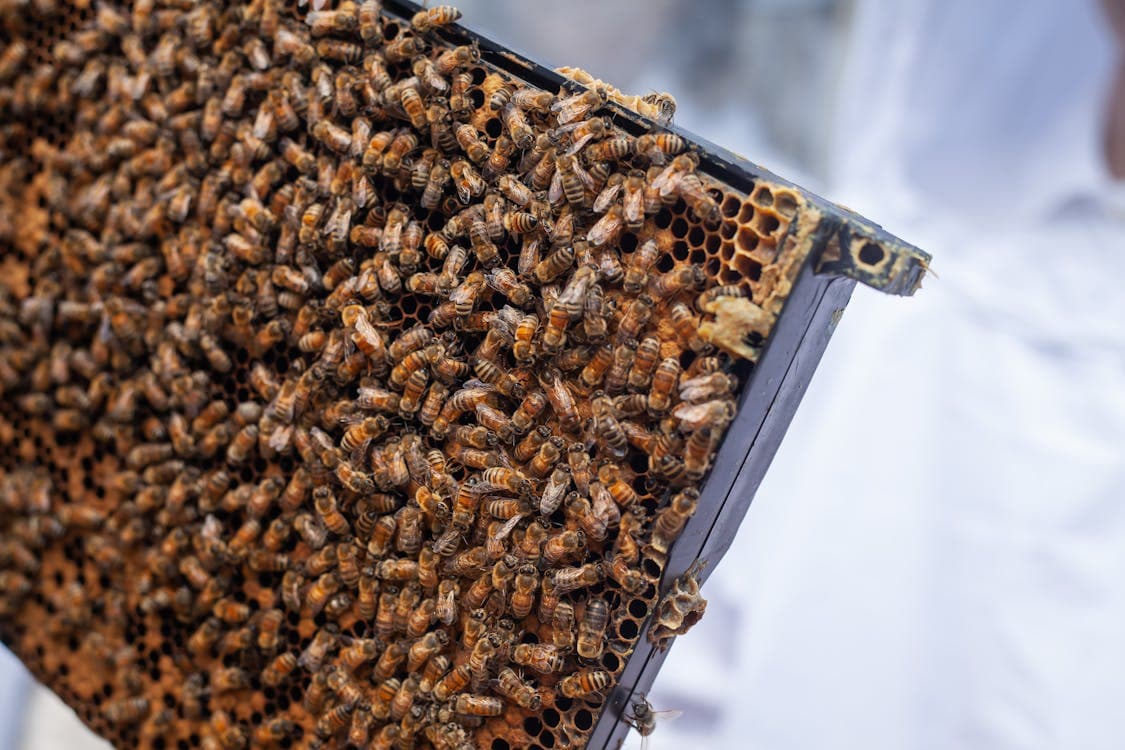
5 Essential Beehive Management Techniques for Healthy Colonies
Beekeeping is both an art and a science, requiring patience, knowledge, and a deep respect for nature. To ensure the health and productivity of your bee colonies, it's crucial to implement effective beehive management techniques. Here are five essential strategies to help you maintain thriving bee colonies.
1. Regular Inspections
Why It's Important:
Regular inspections are crucial for early detection of diseases, pests, and other issues that could harm your bees. They also provide insights into the colony's health, queen productivity, and resource levels.
How to Do It:
- Frequency: Inspect your hives every 7 to 10 days during active seasons and less frequently during winter.
- What to Look For: Check for signs of diseases (like Varroa mites or American Foulbrood), ensure the queen is laying eggs, and verify that there are sufficient honey and pollen stores.
- Be Gentle: Use a smoker to calm the bees and handle frames gently to avoid harming bees or the queen.
2. Swarm Management
Why It's Important:
Swarming is a natural process where a colony splits, and half of the bees leave with the old queen to form a new colony. Managing swarms is essential to prevent loss of bees and to maintain productivity.
How to Do It:
- Preventive Measures: Regularly check for and remove queen cells to discourage swarming.
- Splitting Hives: If swarming seems imminent, consider preemptively splitting the hive to create a new colony, which can also increase your apiary.
3. Pest and Disease Control
Why It's Important:
Pests and diseases can devastate bee colonies. Early detection and treatment are key to maintaining healthy bees.
How to Do It:
- Regular Monitoring: Look for signs of pests and diseases during inspections.
- Natural Treatments: Use natural treatments like essential oils or organic acids where possible.
- Chemical Treatments: If necessary, use approved chemical treatments, following label instructions carefully to avoid harming your bees.
4. Feeding
Why It's Important:
Bees may need supplemental feeding during times of scarce nectar and pollen, especially in early spring or late fall.
How to Do It:
- Sugar Syrup: Feed bees a sugar syrup (a mix of sugar and water) during spring and fall.
- Pollen Substitutes: Provide pollen substitutes to help with protein intake when natural pollen is scarce.
- Feeder Types: Use feeders that minimize drowning risk for bees, such as frame feeders or top feeders.
5. Winter Preparation
Why It's Important:
Proper winter preparation is crucial for the survival of your bee colonies through the cold months.
How to Do It:
- Insulation: Ensure the hive is well-insulated against the cold while still allowing for ventilation.
- Food Stores: Check that there are enough honey stores to last the winter. If not, supplemental feeding may be necessary.
- Pest Control: Address any pest or disease issues before winter to give your bees the best chance of survival.
Implementing these five beehive management techniques will help you maintain healthy, productive bee colonies. Remember, beekeeping is a learning process, and each colony has its unique challenges. Stay observant, keep learning, and enjoy the rewarding experience of beekeeping.